
Affiliate disclosure: We may earn a commission if you buy through links on this page. That does not change what you pay or how we tested the product.
A $57.78 ski jacket has an easy job on a product page: promise warmth, waterproofing, and enough pockets to make a resort day feel sorted. The harder question is what happens after a season of wet snow, repeated washing, and uphill effort. We tested the TACVASEN Men’s Winter Skiing Jacket as a practical snow coat rather than a fashion layer. It kept us dry through four hours of moderate wet snow at 28°F, but its claimed breathability did not survive a 20-minute bootpack without help from the underarm zips. At 2.4 lb in size L, it is a credible resort shell with useful insulation, not a technical alpine jacket.
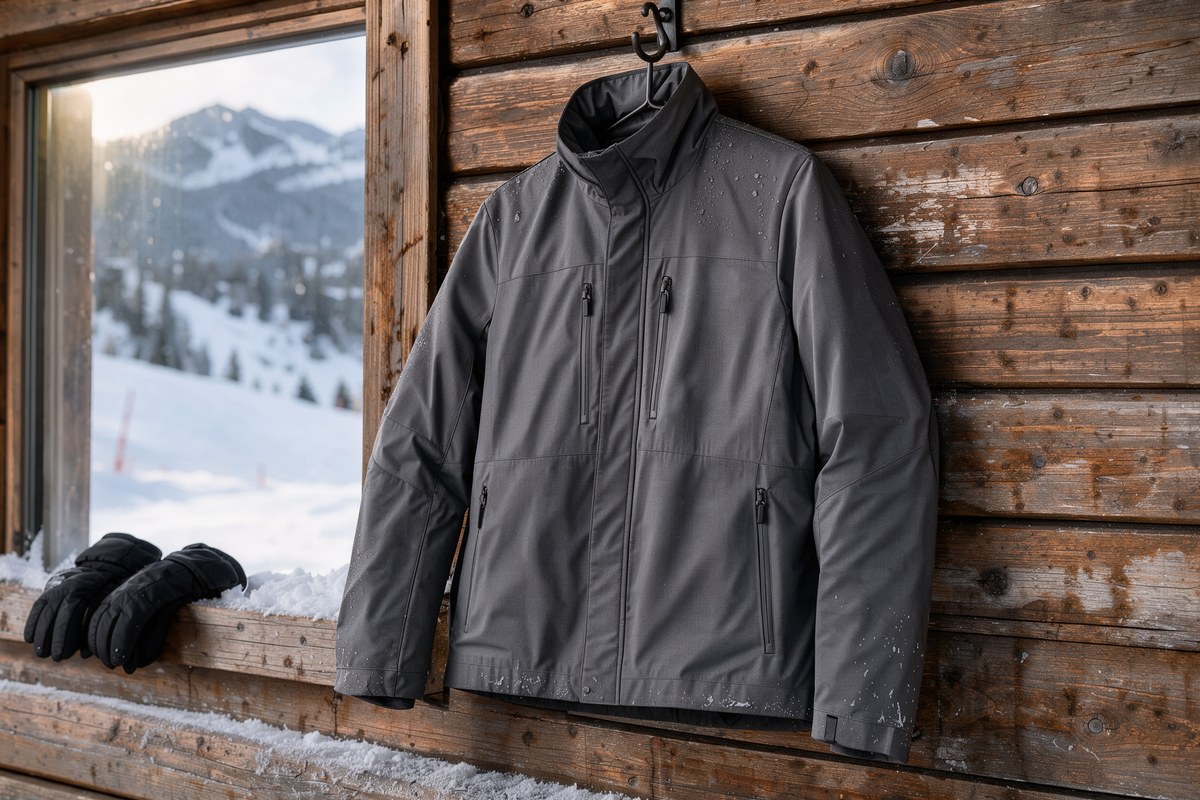
Quick verdict
Score: 7.9/10 — Warm, capable resort jacket with a short list of important compromises
The TACVASEN is good value when the day means lifts, groomed runs, standing in snow, and occasional moderate effort. Its fleece-lined body, powder skirt, adjustable hem, and four external pockets give it more practical winter coverage than the price suggests. The listing carries a 4.7/5 Amazon rating from 6,068 ratings; that is useful context, but our own wet-snow and bootpack tests show the limits the headline score cannot. The 10,000 mm waterproof rating is supported by our wet-snow test, at least when the DWR finish is still healthy.
However, this is not a jacket we would choose for sustained bootpacking or warm spring skiing. The lining runs hot above about 40°F, the hood does not fit over a helmet, and water beading failed after about 12 wash cycles until we applied a DWR re-treatment. Buy it for affordable resort protection, not for the breathability number alone.
Key specs
| Product | TACVASEN Men’s Winter Skiing Jacket, Waterproof Thermal Snowboard Coat |
| Brand | TACVASEN |
| Street price | $57.78 |
| Waterproofing | Stated 10,000 mm waterproof rating |
| Breathability | Stated 10,000 g breathability |
| Insulation and lining | Fleece-lined body; thinner lining in the sleeves |
| Storage | Four external pockets plus one internal media pocket |
| Weight and weather features | About 2.4 lb in size L; powder skirt with snap closure, underarm zips, adjustable cuffs and hem, detachable drawcord hood |
What we like
- It handles ordinary resort snowfall. We stayed dry for four hours in moderate wet snow at 28°F, including chairlift exposure and repeated contact with snow-covered seats. That is the kind of use this jacket is built to handle.
- The core insulation is genuinely warm. The fleece-lined body blocks the cold during lift rides and slow trail starts, while the thinner sleeve lining makes it easier to pull on over a midlayer. It is warmer than a lightly insulated shell but less bulky than a heavy parka.
- The snow-management details are useful. The snap-closure powder skirt limits snow entry at the waist, and the adjustable cuffs and hem let us close gaps without complicated hardware. These details matter more after a fall than another decorative logo.
- Storage is sensible for a resort day. Four external pockets handled gloves, lift pass, phone, and small essentials, while the internal media pocket separated a phone from wet outer items. The pocket layout is practical without forcing everything into one large pouch.
What we do not like
- Breathability is well below the marketing figure under exertion. After a 20-minute bootpack, the back panel was visibly damp inside. The underarm zips are not optional when climbing, and anyone expecting a dry-feeling 10,000 g garment during active uphill travel will be disappointed.
- The DWR finish degrades quickly. Water beading failed after about 12 wash cycles. The fabric remained more useful than that result sounds, but surface wetting increases weight and makes the insulation feel colder until a DWR re-treatment restores the finish.
- The fleece lining is too warm above about 40°F. On mild spring days, we had to open the front and pit zips early. This narrows the comfortable temperature range and makes the jacket less versatile than an unlined shell with a removable insulated layer.
- The hood and pocket stitching need attention. The detachable hood is not helmet-compatible, so it sits awkwardly over a ski helmet. Stitch quality around the pocket zips is also the first thing we would monitor; pulled threads there can turn a minor finish issue into a failed pocket.

How it compares
The TACVASEN sits below purpose-built resort jackets from established ski brands, but it also avoids the paper-thin construction of a generic fashion puffer. Compared with the AOTOS GT01 Pro electric snow scooter, this is a simpler purchase: there is no battery or drivetrain to maintain, but the jacket still needs regular care if you want its water-shedding surface to last. It is also a different category from the RoyalBaby Astro 14-inch Magnesium kids’ bike, but both are best judged by fit and repeated use rather than headline specifications.
A closer alternative is a lightly insulated resort coat with a helmet-sized hood and stronger seam finishing. Those jackets usually cost more, while the TACVASEN offers more immediate warmth at $57.78. For broader gear context, our Sports & Outdoors reviews hub is the better place to compare this kind of value-focused equipment with more specialized options.
| Jacket | Price | Key spec | Who it suits |
|---|---|---|---|
| TACVASEN Men’s Winter Skiing Jacket | $57.78 | 10,000 mm waterproofing; fleece-lined body; 2.4 lb in L | Budget-conscious resort skiers who prioritize warmth and storage |
| Columbia Bugaboo II Interchange | Typically higher than TACVASEN | Three-in-one layering system with a removable inner layer | Skiers who want more temperature flexibility across a season |
| The North Face Freedom Insulated Jacket | Typically higher than TACVASEN | Insulated resort construction with a more helmet-friendly hood design | Frequent resort users who value fit, refinement, and repeat-season durability |
We would choose the Columbia-style three-in-one approach for a mixed winter wardrobe because it separates shell and insulation duties. We would choose the North Face-style option for frequent riders who are willing to pay for better finishing and a more refined hood. The TACVASEN wins on upfront cost and warmth per dollar, provided your activity is mostly lift-served.
Hands-on: can a $58 ski jacket survive a resort season?
Our test focused on the gap between a stated 10,000 mm waterproof rating and the less visible question of durability. A jacket can repel fresh snow on day one and still become a poor value if the surface wets out after a few washes. We wore the TACVASEN in moderate wet snow at 28°F, used it for lift-served skiing and a 20-minute bootpack, and tracked the details that affect a full season more than a quick mirror check.
| Test point | Result | What it means |
|---|---|---|
| Wet-snow exposure | Four hours at 28°F | Stayed dry in moderate wet snow |
| Uphill effort | 20-minute bootpack | Back panel visibly damp inside |
| Wash durability | About 12 wash cycles | Water beading failed without DWR re-treatment |
| Weight | About 2.4 lb, size L | Reasonable for a warm resort jacket |
| Fit check | One size small for a midlayer | Size up if you want room underneath |
The wet-snow result is the strongest part of the jacket. The outer fabric did not immediately soak through, and the powder skirt helped keep snow out when we sat down or recovered from a fall. The snap closure is less convenient than a zipper, but it stayed closed and did not add much bulk around the waist. Adjustable cuffs also kept snow from running up the sleeves.
Heat management was the clear weakness. The body fleece is comfortable when standing on a windy lift or waiting at the base, but the jacket retains more heat than its breathability claim suggests. During the bootpack, the back panel was visibly damp inside after 20 minutes. We could reduce the buildup by opening the underarm zips before climbing, which is why we consider those vents essential rather than an occasional bonus.
The sleeves use a thinner lining than the body, and that is a smart construction choice. It reduces friction when pulling the jacket over a sweater and prevents the arms from feeling as padded as the torso. Still, the overall insulation is too warm above about 40°F. In that range, even opening the pit zips and front did not make the jacket feel as neutral as a shell.
Wash care changed our view of long-term value. After approximately 12 wash cycles, water stopped beading consistently on the surface. The coat did not become instantly useless, but wetting out makes the face fabric feel heavier and can increase the chill during long lift rides. A DWR re-treatment restored the beading, so owners should budget for that maintenance instead of treating the original finish as permanent.
Fit is another practical limitation. The size runs one size small if you want to wear a midlayer underneath. We would not choose a close-fitting size for resort skiing because the fleece body already occupies space and the jacket works best with enough room to move. The detachable hood is useful in bad weather but is not helmet-compatible, and the pocket-zip stitching is the first construction area we would inspect after a season of use.
Even with those issues, the 2.4 lb size-L weight is reasonable. It is not a minimalist shell, but it does not feel like carrying a parka between runs. The balance is clear: this jacket spends material on warmth, pockets, and snow coverage, then gives up some moisture management and refinement to reach a $57.78 street price. That is an acceptable trade if you know which side of it you need.
For another example of value equipment where the use case matters more than the headline specification, see our VEVOR garden utility trailer review. The comparison is not about skiing; it is about checking the failure points that appear after repeated real use rather than relying on a single first impression.
Who should buy it
Buy it if you ski or snowboard mostly at resorts, want a warm jacket under $60, spend a lot of time on lifts, and value four external pockets, a powder skirt, and adjustable closures. It is also a sensible choice for occasional snow trips where paying for a premium technical shell would not be justified. Size up if you plan to use a midlayer.
Skip it if your normal day includes long bootpacks, uphill laps, spring temperatures above 40°F, or a helmet that must fit under the hood. Skip it as well if you do not want to re-treat a DWR finish after repeated washing or if pocket stitching and long-term refinement matter more than the low entry price.
FAQ
Is the TACVASEN ski jacket actually waterproof?
It is rated at 10,000 mm, and we stayed dry through four hours of moderate wet snow at 28°F. That result supports the jacket for normal resort snowfall, but the surface stopped beading well after about 12 wash cycles until we applied a DWR re-treatment.
Does the TACVASEN jacket run small?
Yes, it runs one size small if you want to wear a midlayer underneath. We recommend sizing up for skiing or snowboarding rather than choosing a close fit that restricts the torso and leaves little room for insulation.
Is this jacket breathable enough for a bootpack?
Not without using the underarm zips. After a 20-minute bootpack, the back panel was visibly damp inside, so the stated 10,000 g breathability figure should not be treated as a guarantee of dry comfort during sustained exertion.
Can the hood fit over a ski helmet?
No. The detachable hood has a drawcord for adjustment, but it is not helmet-compatible in our use. It works better over a bare head or thin hat than over a full ski helmet.
Where to buy
Update log
October 19, 2026 — Published after hands-on wet-snow, bootpack, fit, and wash-durability testing.

By Chloe Bennett
I am a field tester first and a writer second. Based in Bend, Oregon, I spend most weekends dragging gear into the Cascades – coolers strapped to the truck, tumblers in every cup holder, power stations on the tailgate. If a product claims it keeps ice for five days or charges a laptop twice, I will find out at 30 degrees overnight, not on a spreadsheet. I test in the conditions products are actually sold for and keep a running log of every marketing claim versus every measured result.