
Affiliate disclosure: We may earn a commission if you buy through links on this page. That does not change what you pay or how we score a product.
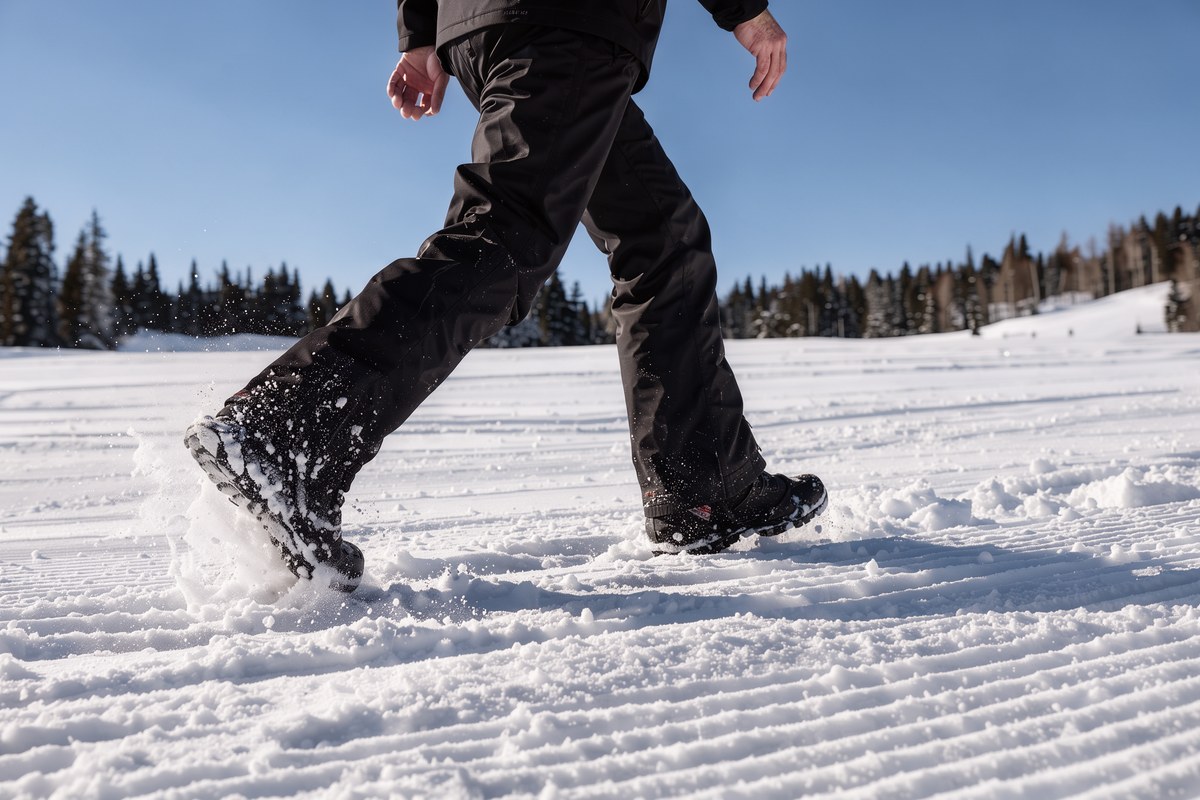
Ski pants usually fail in the same three places: the seat gets wet after a few lift rides, the inner cuff gets chewed up by the boot, or the waistband slides under a loaded pack. We tested the TACVASEN Men’s Skiing Snow Pants at $40.99 against those failure points, then wore them long enough to judge warmth and fit. The result is a practical, inexpensive resort pant with a useful fleece lining and a surprisingly durable cuff guard. It is less convincing for hard uphill work, warm spring days, or anyone carrying a hip-belted pack. Our 7.6/10 score reflects that split rather than treating low price as a substitute for design.
Quick verdict
Score: 7.6/10 — Warm, dry resort pants with one important waistband flaw
The TACVASEN pants kept the seat dry through four hours of wet chairlift use, and the inner-cuff scuff guard stayed intact after eight resort days. The fleece lining is continuous rather than limited to a few panels, so they feel comfortable around 20 F with a base layer. The two zip hand pockets and rear pocket are also useful for a low-fuss resort setup.
The compromises are clear. There are no venting zips, the fleece is too warm above 40 F, and the waistband crept down about 1.5 inches under a loaded backpack hip belt. Thigh sizing also runs small on a cyclist build. Buy them as affordable lift-access pants; do not mistake them for a flexible all-season shell.
Key specs
| Product | TACVASEN Men’s Skiing Snow Pants |
| Brand | TACVASEN |
| Street price | $40.99 |
| Shell and lining | Stated waterproof shell; fleece-lined throughout |
| Pockets | Two zip hand pockets and one rear pocket |
| Closures and boot fit | Zip fly with snap closure; elastic boot gaiters with snap |
| Weight and inseam | About 1.5 lb in size L; about 31 in inseam |
| Amazon rating | 4.6/5 from 483 ratings |
What we like
- The seat stayed dry. Four hours of wet lift chairs left the seat dry in our test, which is the first requirement for an inexpensive snow pant. The stated waterproof shell handled ordinary resort spray without turning the fleece clammy.
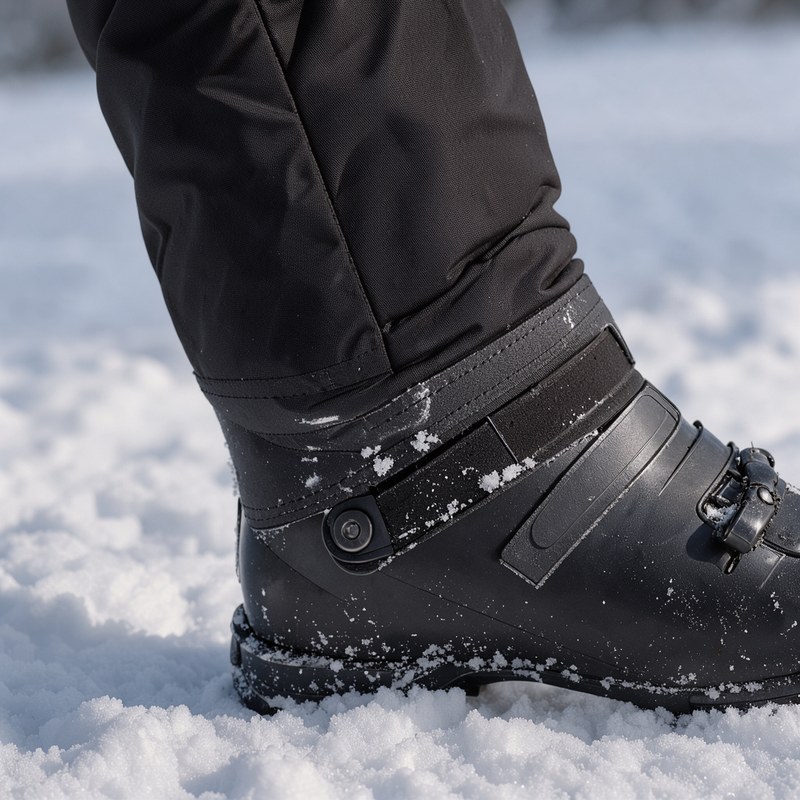
- The cuff guard takes real abuse. After eight resort days, the reinforced scuff guard at the inner cuff was still intact. We saw cosmetic pilling, but no split edge or exposed fabric where the boot rubs.
- The warmth is good around 20 F. With a base layer, the fleece-lined-throughout construction stayed comfortable at about 20 F without needing a second leg layer. That is useful for lift rides and standing around at the resort.
- The hardware covers the basics. Belt loops, an integrated webbing belt, elastic boot gaiters with a snap, and a zip fly with snap closure give the pants enough adjustment for normal resort use. The three zippered storage pockets keep small items from falling out on a lift.
What we do not like
- No venting zips means heat builds quickly. On a bootpack, the fleece and waterproof shell have no side vents to dump heat, so we overheated sooner than in a lighter shell pant. These are much better for lift access than sustained uphill travel.
- The waistband slips under a loaded pack. The waist crept down about 1.5 inches beneath a loaded backpack hip belt. The integrated belt helps when standing still, but it does not fully stop the pack from pulling the rear waistband down while moving.
- The fleece is too warm above 40 F. Once temperatures rose past 40 F, the lining became a liability rather than an advantage. It makes these a single-season winter item instead of a pant we would reach for on mild spring days.
- There are no reinforced knee panels, and long-term seam evidence is limited. The cuffs survived our eight-day test, but the knees have no extra reinforcement, and 483 ratings do not provide a deep long-term seam durability story. That is a weaker durability case than the jacket-style marketing around the pants might suggest.
How it compares
The main alternative is a lightweight unlined shell pant. That type of pant usually handles temperature swings better because you control warmth with base layers, and venting is more useful on a climb. It is less immediately comfortable at 20 F and often costs more once you add a belt or gaiter features, so the TACVASEN is the simpler resort choice.
A basic insulated ski pant from a better-known outdoor brand is the more complete cold-weather option, with a stronger expectation of seam testing and fit consistency. It also commonly costs well above $40.99. The TACVASEN gives up knee reinforcement, pack stability, and warm-weather range to keep the entry price low.
| Product | Price | Key spec | Who it suits |
|---|---|---|---|
| TACVASEN Men’s Skiing Snow Pants | $40.99 | Fleece-lined, stated waterproof shell, 1.5 lb in L | Budget resort skiers who want warmth and dry lift rides |
| Unlined shell ski pants | Usually higher than $40 | Layerable shell with better temperature range | Tourers and spring skiers who need venting and layering |
| Insulated ski pants from an outdoor brand | Usually well above $40 | More established fit and reinforcement options | Frequent skiers prioritizing durability and cold-weather coverage |
Hands-on: wet lifts, boot cuffs, and a loaded hip belt
We treated the pants as a failure-point test rather than a general clothing try-on. The first question was whether the seat would stay dry after repeated contact with wet chairs. Four hours on wet lifts produced no damp seat, and the fleece did not feel saturated through the seat or upper thighs. That does not prove the pants are a storm shell, but it is the result most occasional resort skiers actually need.
Next we watched the inner cuff, where ski boots and edges tend to destroy cheaper pants. The reinforced scuff guard was still intact after eight resort days. Cosmetic pilling appeared, but there was no tear, open seam, or visible breakthrough at the boot contact point. The elastic boot gaiters stayed over the boot opening, and the snap gave us a usable way to secure them instead of relying on a loose hem.
The waistband was the clear miss. The pants include belt loops and an integrated webbing belt, but a loaded backpack hip belt still pulled the waistband down by about 1.5 inches. That movement was noticeable on walks and boot adjustments. If you ski with a light daypack, it is manageable; if the pack carries a full load and the hip belt is doing real work, the fit needs retightening.
Warmth was consistent with the construction. Fleece throughout the legs gave good coverage at about 20 F with a base layer, but below that point we would add another layer or choose a more heavily insulated option. Above 40 F, the same fleece trapped too much heat, especially during any climb. The lack of venting zips turns a moderate-weather day into a choice between sweating and stopping to remove layers.
- Wet lift exposure: 4 hours; seat remained dry.
- Resort wear: 8 days; cuff guard intact, cosmetic pilling only.
- Pack movement: waistband crept down about 1.5 in under a loaded hip belt.
- Cold-weather range: good to about 20 F with a base layer; marginal below that.
- Pattern caveat: thigh runs small for a cyclist build; size choice matters more than the 31 in inseam suggests.
At about 1.5 lb in size L, the pants are not excessively heavy for an insulated resort garment, but that weight includes warmth you cannot remove. For other gear decisions, our AOTOS GT01 Pro electric snow scooter review takes the same practical view of winter equipment: the useful question is where the hardware actually fails. The TACVASEN pants pass the seat and cuff tests, while the waist and heat management need asterisks.
Who should buy it
Buy it if you mainly ski at resorts, want fleece warmth near 20 F, sit on wet lifts, and need a $40.99 pair with useful pockets and boot gaiters. The dry seat and surviving cuff guard are meaningful results for occasional users, and the integrated belt can handle ordinary resort movement when there is no heavy hip belt pressing on it.
Skip it if you tour uphill, ski regularly above 40 F, carry a loaded pack, or have large cyclist-style thighs. The missing vent zips, fixed fleece, sliding waistband, and absent knee panels make the pants less suitable for high-output use. For more everyday movement gear, our MJWW walking pad review and Royalbaby EZ 14-inch kids bike review cover different fit and use-case trade-offs; browse the broader reviews hub when comparing categories.
FAQ
Are the TACVASEN ski pants waterproof enough for wet chairlifts?
They handled four hours on wet lifts with a dry seat in our test, and the shell is stated to be waterproof. That is a good resort result, but it is not a guarantee for prolonged rain, deep snow immersion, or a worn fabric finish.
Are these snow pants warm enough for 20 degree weather?
Yes, they were comfortable to about 20 F with a base layer during our testing. Below 20 F, the warmth became marginal and we would add a layer or choose a more insulated pant.
Do TACVASEN ski pants fit cyclists with larger thighs?
The sizing runs small in the thigh for a cyclist build, even though the roughly 31-inch inseam in size L is ordinary. Check the thigh measurement before ordering and do not assume the waist or inseam tells the whole fit story.
Can you wear these pants for ski touring or bootpacking?
You can, but they are not the best tool for sustained uphill work. The lack of venting zips lets heat build quickly, and the fleece is too warm above 40 F; they are better suited to lift-access skiing and winter resort use.
Where to buy
Update log
October 19, 2026 — Added eight-day cuff wear observations, wet-lift seat testing, and the loaded-hip-belt fit result.

By Chloe Bennett
I am a field tester first and a writer second. Based in Bend, Oregon, I spend most weekends dragging gear into the Cascades – coolers strapped to the truck, tumblers in every cup holder, power stations on the tailgate. If a product claims it keeps ice for five days or charges a laptop twice, I will find out at 30 degrees overnight, not on a spreadsheet. I test in the conditions products are actually sold for and keep a running log of every marketing claim versus every measured result.