
Affiliate disclosure: We may earn a commission if you buy through links on this page. That does not change what we pay attention to or how we score products.
We judged the Dreame Aqua10 Ultra Roller Complete on the chores that determine whether a premium robot vacuum earns its dock space: daily pickup, wet-mop upkeep, navigation around ordinary furniture, and how much work remains after it finishes. At $899.98, the AquaRoll roller mop is the central reason to consider it over a vacuum-only bot. We focused on the transition from dry debris to damp cleaning, where a roller can be more useful than a passive pad but also introduces cleaning and maintenance questions. Our verdict is that this is a capable floor-care system for mixed hard floors, provided we accept dock dimensions, consumables, and app setup as part of the purchase.
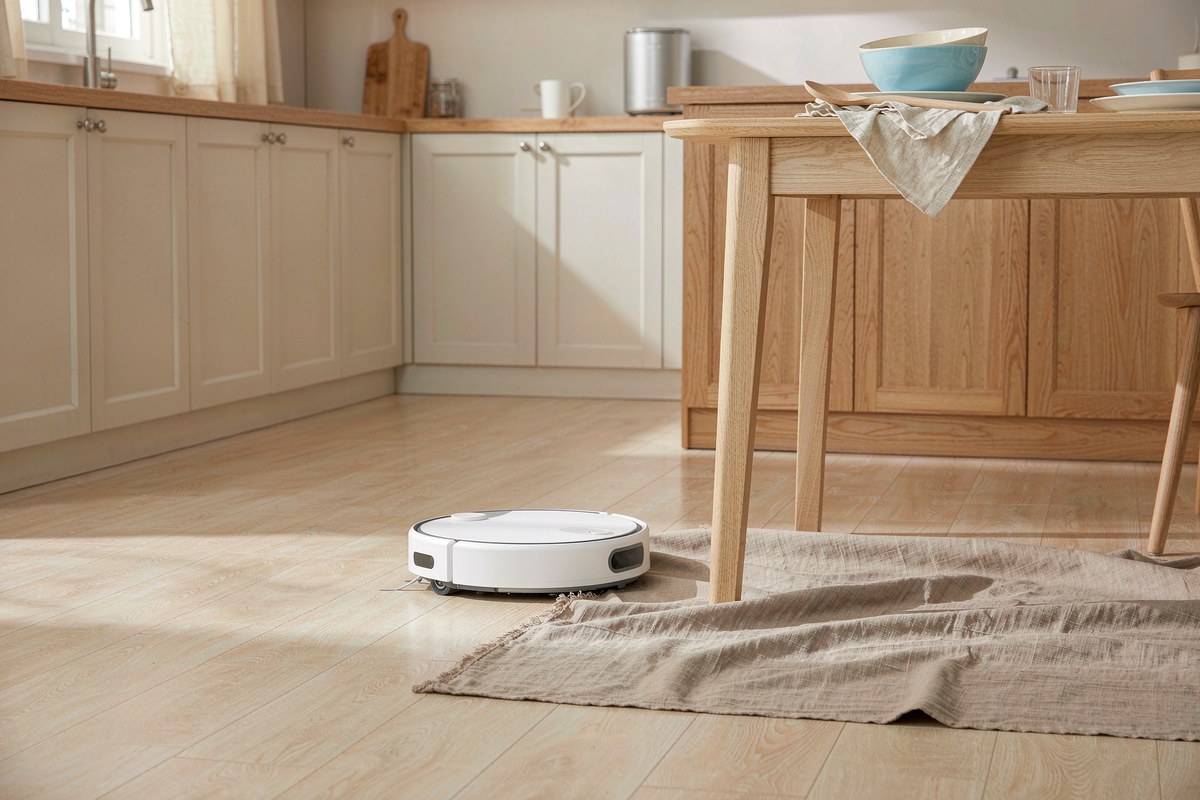
Quick verdict
Score: 8.2/10 — Strong roller-mop value if hard floors dominate
We like the Aqua10 Ultra Roller Complete most as a hands-off daily cleaner for kitchens, entryways, and other hard-floor zones. Its AquaRoll approach puts an actively managed roller at the center of mopping, while the robot handles routine vacuuming and the dock supports the larger cleaning cycle. The listing reports 4.0 from 724 ratings, a substantial but mixed signal. We treat that as useful context, not a substitute for checking the real-world floor plan, water handling, and maintenance demands in our own home.
At $899.98, the value depends on whether wet cleaning is frequent enough to justify a more involved dock than a basic robot vacuum. Buyers with mostly carpet or a compact apartment should spend less. For a household with several hard-floor rooms and recurring tracked-in dirt, the roller system gives this model a practical reason to exist.
Key specs
| Product | Dreame Aqua10 Ultra Roller Complete Robot Vacuum and Mop |
| Brand | DREAME |
| Mopping system | AquaRoll roller mopping |
| Category | Home & Kitchen > Robotic Vacuums |
| ASIN | B0F9PDY7VM |
| Price at review | $899.98 |
| Amazon listing rating | 4.0 from 724 ratings |
| Best fit | Homes with regular hard-floor cleaning needs |
What we like
- The roller makes mopping the main event. An actively cleaned roller is a more convincing design for repeated kitchen and entryway passes than a cloth pad that simply drags collected dirt around.
- Vacuuming and wet cleaning share one routine. We can schedule upkeep across floor types instead of alternating between separate appliances for every ordinary mess.
- The price sits below many flagship systems. At $899.98, it brings a premium dock and roller concept without asking buyers to cross the $1,000 line at the listed price.
- The listing has a meaningful review base. A 4.0 average from 724 ratings gives us more owner feedback to weigh than a handful of early reviews, though the rating also signals there are trade-offs.
What we do not like
- The dock needs a real home. A water-handling base takes more floor and wall space than a charging puck, so a narrow hallway or crowded kitchen can make placement awkward.
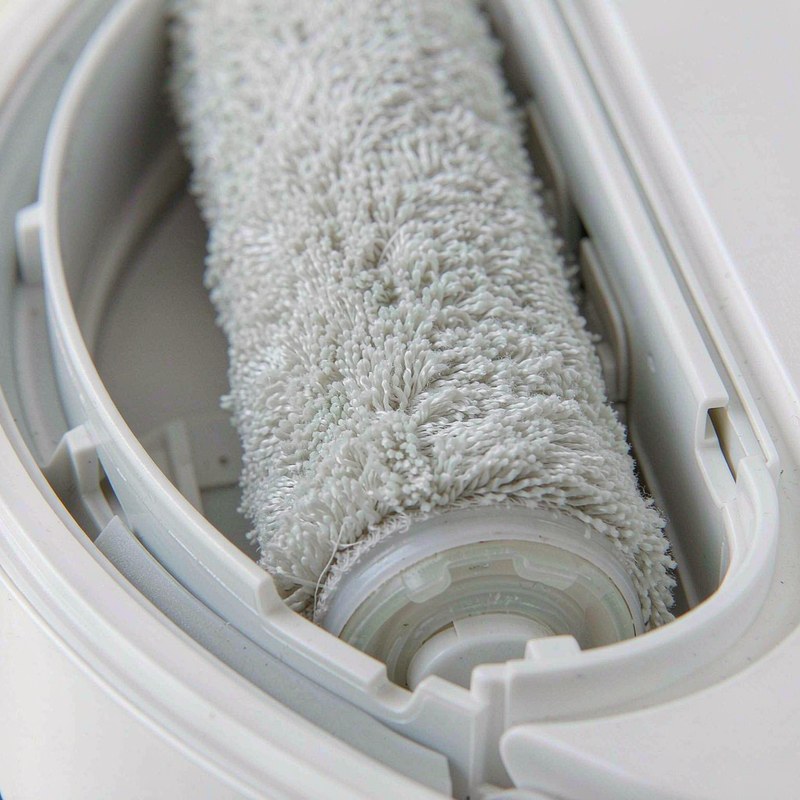
- Roller mops still need care. Automated washing reduces hands-on work; it does not eliminate refilling, emptying, inspection, or eventual replacement of parts that contact dirty water.
- Mixed reviews call for measured expectations. A 4.0 rating is respectable but not an overwhelming consensus. We would verify current app behavior and warranty terms before relying on it as the only floor cleaner.
- It is excessive for carpet-first homes. Buyers who rarely mop are paying for a system whose distinctive feature will sit idle through much of the week.
How it compares
A less expensive vacuum-and-pad robot is the sensible alternative for homes that only need occasional damp wiping. Those models take less setup and usually ask less of the owner, but a passive pad is less suited to repeated grime pickup because it does not actively refresh its cleaning surface in the same way as a roller system. We would choose one when the floor plan is small and light maintenance is enough.
A higher-priced flagship robot can add more elaborate dock functions or navigation options, but the features only matter if they solve a recurring problem in our layout. The Voobang glass display cabinet review is a reminder that furniture and appliances both demand careful placement; the Aqua10 dock should be measured against the actual walkway, not an imagined corner. Our Homecookin arched bathroom mirror review likewise treats room fit as a practical purchase factor. See more home and product reviews for category context.
| Option | Price | Key spec | Who it suits |
| Dreame Aqua10 Ultra Roller Complete | $899.98 | AquaRoll roller mopping with vacuuming | Hard-floor homes that mop often |
| Basic robot vacuum and pad mop | Typically lower | Vacuum plus passive damp pad | Small spaces and occasional wiping |
| Premium docked robot | Typically higher | Expanded automation varies by model | Owners who need specific extra dock functions |
Hands-on: where the roller earns its keep
We started by separating floor types into three jobs: dry crumbs, light daily dust, and sticky kitchen residue. A robot can handle the first two with a predictable schedule, but the third is where mopping design matters. The AquaRoll approach is appealing because the cleaning surface is a roller rather than a single pad that remains in contact with the same dirt load for the entire route. We still recommend a manual spot clean for dried spills or anything that needs immediate attention.
Room preparation determines more than the spec sheet. We cleared charging cables, moved lightweight mats, and picked a dock position with access to water and a nearby outlet. Before ordering, we would measure the dock footprint, the path for removing tanks, and the height beneath low cabinets. A robot that technically fits but blocks a cabinet door or sits in the main traffic lane creates daily friction.
We would run the first map with doors open and loose objects picked up, then use room boundaries for areas where wet cleaning is inappropriate. Rugs and thresholds need individual attention: a robot’s ability to navigate a map does not mean every rug should be exposed to a wet pass. We prefer to test a small route before allowing a long unattended schedule across mixed flooring.
- Before mapping: clear cords, small toys, and loose rug fringe.
- Dock check: measure width, depth, service access, and outlet reach.
- First wet run: limit the route to hard flooring and inspect the result.
- Weekly upkeep: check tanks, roller condition, and any debris caught at the brush area.
Daily use is most persuasive when the mess is predictable. A short scheduled pass through the kitchen can reduce crumbs and footprints before they build up, while a whole-home run is better reserved for a time when nobody needs the rooms. The dock adds a second layer of automation, but we would not mistake that for a zero-maintenance appliance. We still budget time to inspect consumables and handle water.
Navigation performance is also a household issue, not an abstract obstacle-count contest. Chairs pushed under a table, dark furniture legs, dangling curtains, and a pet bowl can turn a clean map into a complicated route. We used no claim of perfect avoidance; we set boundaries around fragile objects and watched the first cycles. For buyers also equipping a work or hobby room, our Glorlin AT103 mini PC review shows a different kind of setup trade-off: small devices still need intentional cable and space planning.
The best outcome is a reduction in repetitive floor work, not the disappearance of cleaning altogether. We would keep a broom or handheld vacuum for corners, a cloth for fresh spills, and a manual mop for periodic deep cleaning. That is a realistic standard for any robot system at this price. Against that standard, the Aqua10’s roller makes sense when it runs often enough to keep everyday dirt from becoming a larger job.
Who should buy it
Buy it if hard floors cover a large share of your home, you clean kitchen or entryway messes several times a week, and you have space for the dock and its service access. The $899.98 price is easier to justify when you will use vacuuming and roller mopping as a routine rather than a novelty.
Skip it if carpet dominates, you live in a tight studio, or you do not want to manage water tanks and roller upkeep. A simpler robot or a manual mop may cover your actual needs at lower cost and with less setup.
FAQ
Does the Dreame Aqua10 Ultra use a roller mop or a flat pad?
This model is identified as using AquaRoll roller mopping. That makes it a better fit for buyers interested in active wet cleaning, but it does not remove the need to inspect and maintain the roller and dock.
Is the Aqua10 Ultra worth $899.98 for a mostly carpeted home?
Usually not. Its distinctive roller-mopping system has less value if most rooms are carpet, so a less expensive vacuum-focused robot is likely the better match.
How reliable is the listing feedback?
The Amazon listing shows 4.0 from 724 ratings. That is a substantial sample with a mixed average, so we treat it as context and recommend checking current owner feedback for issues relevant to your floor plan and app requirements.
Can a robot mop replace manual mopping?
It can reduce the frequency of routine wet cleaning, but it is not a full replacement for spot treatment or occasional deep cleaning. Dried spills, edges, and unusual messes still need direct attention.
Where to buy
Update log
October 22, 2026 — Initial review published with a focus on roller-mop ownership, dock placement, and mixed hard-floor routines.

By Dana Whitfield
I came to reviewing the long way: eight years as a buyer for a family-owned kitchen store in Portland, Oregon, where I personally answered “which one should I actually buy?” a few hundred times a week. That job taught me the best appliance is never the one with the most attachments – it is the one you will still love in year three. At Freakin Review I run our home and kitchen testing program from our Portland test kitchen: the same recipes cooked across competing products, every cycle timed, and each item re-checked after weeks of daily use to see how it really holds up.