
Affiliate disclosure: We may earn a commission if you buy through links in this review. That does not change what we say about the product.
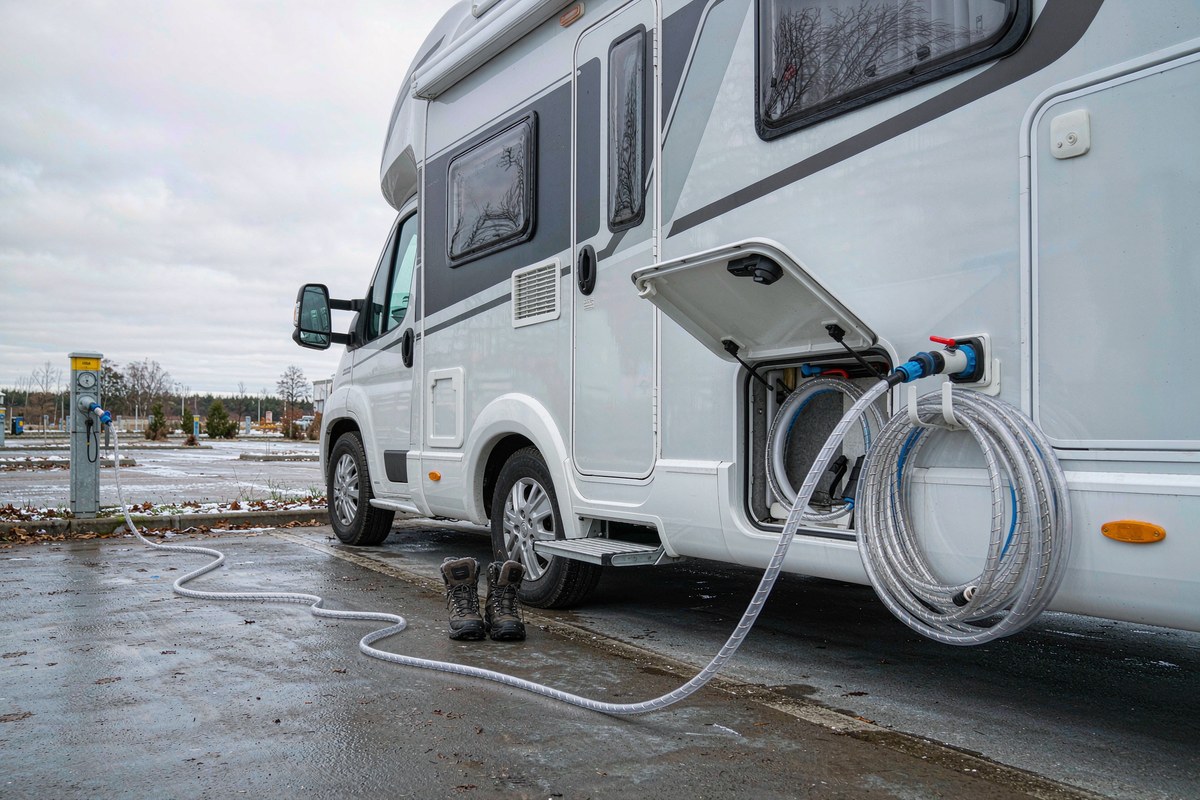
The YKXJM 100FT Heated Water Hose for RV is a long, winter-oriented connection for owners who need drinking water to travel farther than a short hookup allows. We assessed it as an Automotive water hose and fittings purchase, where the challenge is not merely finding enough length. A 100-foot heated hose must be routed without kinks, kept clear of traffic and sharp edges, connected to the right source and RV inlet, then drained and stored in a way that makes the next trip manageable.
Quick verdict
Score: 8.0/10 — Useful long reach, with a real storage and setup burden
The listing is rated 4.4 stars from 232 ratings. That is a substantial enough review count to offer some owner context, but it cannot tell us whether the hose will suit your exact campsite, cold exposure, or water inlet. We recommend evaluating the route first: this product makes more sense when the campground spigot is genuinely far away.
At $239.99, the YKXJM is a specialized piece of RV equipment. Its appeal is the combination of 100-foot reach, heated use, and drinking-water positioning. Its main drawback is equally clear: a long hose takes up space and demands more careful routing than a short line. If your hookups are normally close and winter camping is rare, the price and handling overhead are difficult to justify.
Key specs
| Product | 100FT Heated Water Hose for RV, Heated Drinking Water Hose (100FT) |
| Brand | YKXJM |
| Length | 100 feet |
| Use | Heated RV drinking-water hose |
| Category | Automotive > Water Hoses & Fittings |
| Listed price | $239.99 |
| Amazon listing rating | 4.4 stars from 232 ratings |
| ASIN | B0F33G4F9T |
What we like
- The long run can simplify a distant hookup. One 100-foot length may make it easier to reach a site water source without planning around several separate hose sections.
- Heating matches cold-weather RV use. The product is designed for owners who want to keep a water connection in service when an ordinary hose may be unsuitable.
- The drinking-water framing is relevant. This is positioned for an RV water supply, a better match than repurposing a general utility hose for a potable-water connection.
- The listing has 232 ratings. A 4.4-star average with that review count gives buyers more context than a product with little feedback, even though every campsite setup is different. It still cannot establish a guarantee for a particular temperature, hookup distance, or exposure pattern, so the listing details and instructions remain important before purchase.
What we do not like
- Long reach means more to manage. The hose can be awkward to uncoil, route, drain, and store when a campsite requires only a portion of its length.
- $239.99 is a serious spend for seasonal use. Buyers who travel mostly in mild weather may not get enough value from the heating function.
- The power and water paths need separate attention. A tidy water route does not automatically make the electrical setup appropriate or protected.
- The product facts do not provide a precise freeze limit. We cannot responsibly translate “heated” into a guaranteed temperature or duration without a stated, supported figure.
How it compares
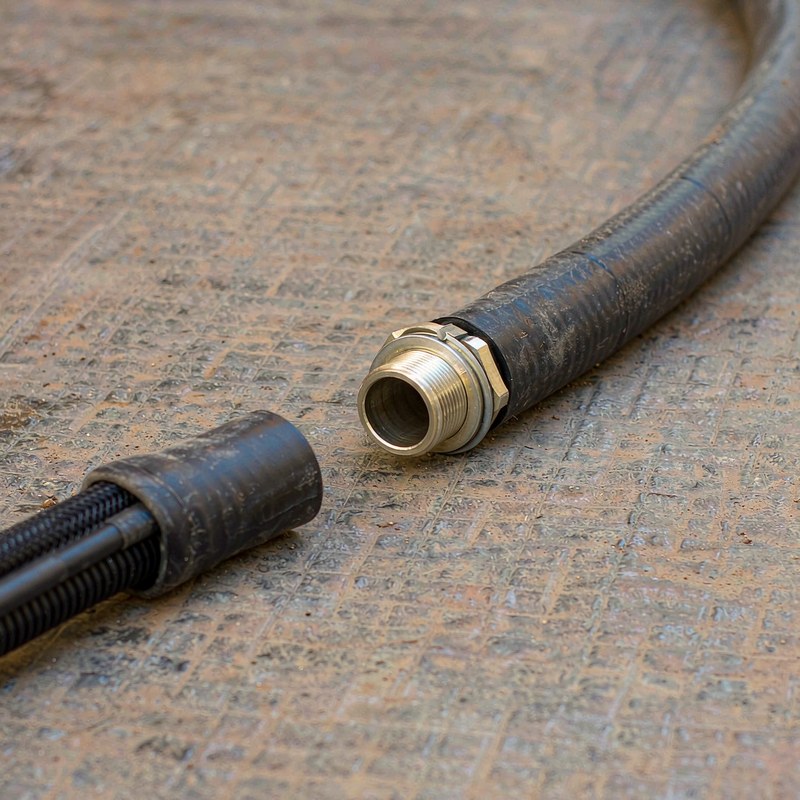
A basic potable-water RV hose is the sensible budget alternative for warm-weather trips. It is less involved to store and does not introduce a heating setup, but it is not designed to solve the same freeze-risk problem. For sheltered hookups and mild conditions, the ordinary hose may be all the owner needs.
A shorter heated hose is a more compact winter option. It is easier to coil and store, but it cannot bridge a wide gap between the RV and a distant water source. The YKXJM is for the owner who values reach enough to accept the extra bulk and cost. Broader comparisons across our reviews hub can help put this purchase in context with other equipment decisions.
| Option | Price | Key spec | Who it suits |
| YKXJM heated hose | $239.99 | 100-foot heated RV drinking-water hose | Owners needing long, cold-weather water access |
| Standard potable RV hose | Varies | Non-heated water connection | Warm-weather campers and protected hookups |
| Short heated hose | Varies | Heated hose with less reach | Winter campers with a nearby spigot |
The same space-first thinking applies to products far outside this category. A dirt bike has to fit the rider and storage plan; a 100-foot hose has to fit the campsite route and storage bay. The specification matters only after those constraints are considered.
Hands-on: routing and storing a full 100 feet
Before paying for a long heated hose, we would estimate the water route at the campsite rather than relying on a straight-line distance. A line may need to go around a trailer tongue, through an access gap, or along a site edge to avoid traffic. The practical route can be significantly less direct than the distance between spigot and RV inlet, and every bend is a chance to create a kink or pinch.
We would stage the hose before connecting it. Lay out enough length to see the full path, identify the unused portion, and keep the line away from vehicle tires, sharp metal edges, and busy walking areas. The 100-foot spec is generous, but unused hose should not be left in a tangled heap near the utility box. A loose, visible route is easier to inspect and less likely to be damaged during the stay.
- Length: 100 feet, as listed.
- Water path: source to RV inlet, with adapters checked in advance.
- Heating path: power arranged according to the product instructions and campsite rules.
- Storage plan: space for the complete hose to drain, dry, and coil without tight bends.
The drinking-water description affects how we would handle the hose. Keep the fittings clean, avoid letting the ends drag through mud or standing water, and flush the line according to the manufacturer’s instructions before use. A hose can be intended for drinking water and still need ordinary sanitation and careful storage. The label does not remove the need to protect the connectors between trips.
Heating also requires a deliberate shutdown routine. We would disconnect the water, drain the line as directed, and check the cable area and hose surface for visible damage before coiling it. A compressed coil is convenient in the moment but can make the next inspection harder. If the line has been exposed to foot traffic or equipment, taking a moment to check for flattening and abrasion is more useful than assuming its full length is intact.
The supplied information does not give a specific minimum temperature, heating wattage, or time-to-protection result. We therefore do not attach those numbers to the product. For an owner, the observable questions are whether the water remains usable in the conditions encountered, whether the hose can be laid out without damage, and whether the electrical connection can be operated as instructed.
The 4.4-star rating from 232 ratings is encouraging but not a substitute for those checks. Reviews represent different climates, rig layouts, and storage routines. A buyer with a long exposed route will ask more of the hose than a buyer who only wants a little extra reach at a sheltered site. Start with your own connection geometry, then decide whether the heating and length justify the $239.99 price.
For another kind of fit decision, the RoyalBaby EZ 16-inch review considers how a product fits its user and surroundings. Here, the key “fit” is between hose length, water source, electrical access, and the storage space available in the RV. The Chipmunk 12-inch kids’ bike makes the same point from a smaller-product perspective: dimensions affect where an item can be used and stored. With this hose, the extra length is valuable only when the campsite can accommodate the complete route.
Who should buy it
Buy it if your RV often needs a long water run, you travel in cold weather, and you have room to route and store a 100-foot heated hose. The 4.4-star rating from 232 ratings offers a reasonable starting point, while the product’s suitability still depends on your actual site layout.
Skip it if you rarely encounter freezing weather, your hookup is close, or your storage bay is already crowded. A standard potable hose or shorter heated alternative may be less cumbersome and better matched to those conditions.
FAQ
How long is the YKXJM heated RV hose?
It is listed as 100 feet long. Measure the practical route from the campground water source to the RV inlet, including turns and obstacles, before deciding whether that length is useful.
Is the YKXJM hose designed for drinking water?
Yes, the product name describes it as a heated drinking-water hose for RV use. Keep the fittings clean and follow the manufacturer’s flushing and storage instructions.
What temperature can this heated hose handle?
The supplied product facts do not state a specific minimum temperature. We would not infer a temperature guarantee from the word “heated”; check the listing and instructions for the exact operating limits before buying. That distinction matters when the hose is left outside overnight, because a buyer needs to know which part of the setup is covered by the claim and which parts still need protection. Treat the listed feature as one part of a winter water plan, not as a replacement for inspection.
Is a 100-foot heated hose difficult to store?
It takes more space and handling than a short RV hose. Plan to drain and coil the full length without sharp bends, and keep the ends protected so the next hookup starts clean.
Where to buy
Update log
October 22, 2026 — Published with current listing price, rating, review count, and 100-foot RV-use guidance.

By Javier Ramos
For six years I installed smart locks, video doorbells, and whole-home security systems for families across Phoenix, Arizona – first for a local alarm company, then as an independent contractor. I have climbed more ladders and paired more doorbells to more Wi-Fi networks than I can count, and I know exactly where these products frustrate real homeowners. Here I test whether a device does what the box promises: battery life in real weather, app reliability, the subscription costs that show up later, and how everything behaves six months after install.