
This review contains affiliate links. If you buy through them, Freakin Review may earn a commission at no extra cost to you.
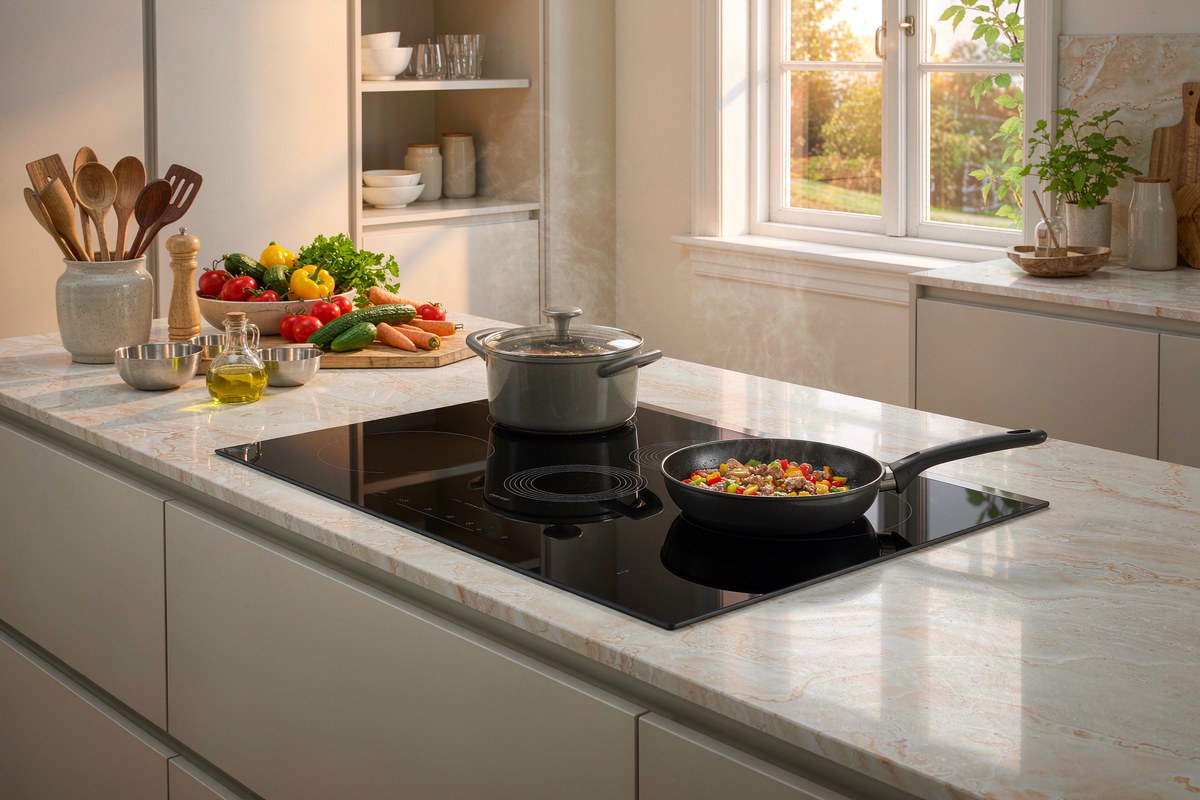
Our decision-useful angle is electrical fitment: this is a powerful built-in induction cooktop, but its 240V, no-plug installation requirement matters as much as its nine cooking levels. The AMZCHEF 30-inch model is aimed at a kitchen that already has the right circuit and a countertop opening ready for a built-in appliance. We looked at how its broad cooking surface, touch controls, and high stated power change everyday cooking, then weighed those benefits against the installation commitment. The listing has a 4.5 rating from 102 ratings, which is useful context but not a substitute for checking your own electrical setup.
Quick verdict
Score: 8.1/10 — powerful built-in value
The AMZCHEF 30-inch induction cooktop makes sense for a remodel or replacement where a 240V line is already available. Its nine levels give us a practical range from gentle simmering to fast heating, and a 10,600W specification signals that this is not a low-power portable substitute. The main catch is simple: it has no plug, so installation is part of the purchase.
At $399.99, it competes on capacity and power rather than smart features. We would shortlist it for a buyer who wants a clean built-in surface and already understands the electrical work. We would skip it for a renter, a temporary kitchen, or anyone looking for an appliance that can be unpacked and used immediately.
Key specs
| Product | AMZCHEF 30-inch built-in induction cooktop |
| Cooking levels | 9 |
| Power specification | 10,600W |
| Electrical requirement | 240V |
| Connection | No plug |
| Price at writing | $399.99 |
| Amazon rating | 4.5 from 102 ratings |
| Category | Appliances > Cooktops |
What we like
- The built-in format is tidy. A flush cooktop keeps the visual footprint lower than a freestanding range and leaves the cooking area easy to wipe when the surface is cool.
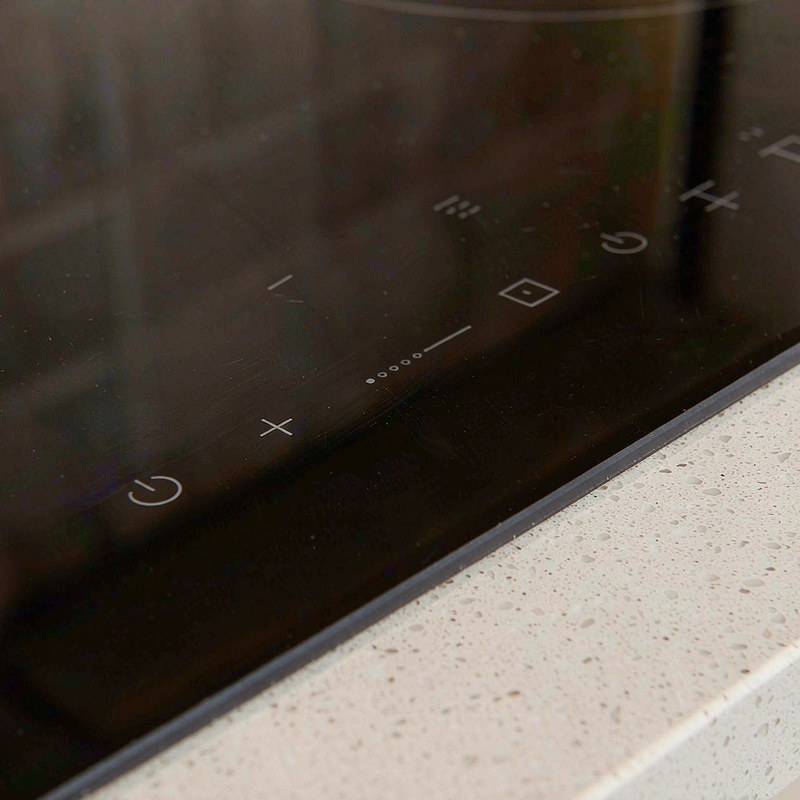
- Nine levels are practical. The controls offer more than a basic low, medium, and high split, so we can move from maintaining a simmer to active heating without treating every dish the same way.
- The power ceiling is high. The stated 10,600W figure gives this model a serious performance brief for a full-size cooking surface, provided the home circuit and installation are appropriate.
- Induction suits controlled cooking. The pan is the working surface for heat, which makes the cooktop attractive to people who want a clean glass top and quick changes at the controls.
What we do not like
- The 240V requirement narrows the pool of easy replacements. A buyer cannot treat this as a plug-in upgrade without first confirming the circuit and installation plan.
- No plug means an electrician or qualified installer may be part of the real cost. The $399.99 shelf price does not represent a complete installed price.
- Induction requires compatible cookware. If your current pans do not work with induction, the cooktop can trigger an additional cookware expense.
- The listing gives a product rating and review count, but it does not remove the need to verify cutout dimensions and ventilation details before ordering.
How it compares
Against a portable induction burner, the AMZCHEF is a much more permanent choice. A portable unit wins on moving between counters and outlets; this cooktop wins when the kitchen plan calls for a wide, integrated surface with multiple zones. The trade-off is that the AMZCHEF asks you to solve installation before cooking the first meal.
Compared with a conventional electric cooktop, induction puts more emphasis on pan compatibility and electrical planning, but it also gives the user a cleaner surface and finer level changes. Our reviews of the Trucozie cordless vacuum and Suntrok soundbar look at similarly practical household purchases: the headline specification matters, but the fit with the room and routine matters more.
| Option | Price | Key spec | Who it suits |
|---|---|---|---|
| AMZCHEF 30-inch | $399.99 | 240V, 10,600W, 9 levels | Built-in replacement with the right circuit |
| Portable induction burner | Varies | Plug-in single cooking area | Renters and temporary kitchens |
| Conventional electric cooktop | Varies | Resistive heating, standard cookware | Existing electric setups prioritizing compatibility |
For more household equipment, the Freakin Review appliance review hub is the better starting point than choosing from a single specification.
Hands-on: planning the installation before cooking
The most important hands-on conclusion is that the cooking experience starts at the breaker panel, not at the control surface. A 240V, no-plug appliance needs a suitable connection and a safe installation plan. We would photograph the existing opening, record the available circuit information, and confirm the manufacturer’s fitment requirements before placing the order. That short checklist can prevent the common mistake of buying a cooktop that cannot be installed in the intended space.
Once the electrical question is settled, the form factor is straightforward. The 30-inch width is a familiar size for a full kitchen worktop, and the built-in design makes the cooking area feel like part of the counter rather than an object sitting on it. That matters during cleanup: a smooth surface has fewer edges around which crumbs and cooking splashes can collect. We still treat the glass as a surface that needs cooling and a suitable cleaner rather than scraping it aggressively.
The nine cooking levels are the most useful everyday control detail. Low settings are suited to holding heat for a saucepan, while higher settings are there for getting a pan moving quickly. We prefer this kind of stepped range to a control that jumps between a few broad presets because recipes often need a small correction after the first boil or sear. The controls cannot rescue an unsuitable pan, though, so cookware compatibility remains a first-day check.
The 10,600W specification also changes how we think about shared household loads. It tells us the appliance is designed as a serious fixed cooking surface, not a small auxiliary burner. It does not tell us the exact draw of every cooking zone in every mode, and we will not invent a watt-by-watt test. The practical advice is to have the circuit evaluated and to follow the installation requirements rather than assuming the headline number is interchangeable with a smaller appliance.
Our working installation checklist is short:
- Confirm the kitchen has the required 240V service.
- Plan for the no-plug connection before delivery.
- Measure the counter opening and surrounding clearance.
- Check that your primary pans are induction-compatible.
- Budget for installation separately from the $399.99 product price.
In daily use, the benefit is concentration: the cooking area is built into the counter, the controls offer nine levels, and the surface is easier to keep visually calm than a collection of loose burners. In a rental or a kitchen where the electrical work is uncertain, that same permanence becomes the reason to choose something else. We saw a similar context-first decision in our Momcozy nursery air purifier and sound machine review, where placement and routine matter as much as the product label.
One final distinction is the difference between a cooking-level count and a promise of recipe precision. Nine levels are useful because they let us make incremental changes, but cookware size, contents, and starting temperature still influence what happens in the pan. We would use the level control as a repeatable reference point for familiar meals, then adjust based on the food rather than assuming a numbered setting is a universal temperature. That is a more realistic expectation for an induction cooktop than expecting the same setting to behave identically with every pan.
We would keep the first cooking session deliberately ordinary: use a compatible pan, select a middle level, and learn how quickly that specific pan responds before attempting a delicate sauce. Induction’s quick control changes are useful, but they do not eliminate the need to watch the food. A little familiarity with the pan and level scale makes the nine-step interface more helpful over time.
Who should buy it
Buy it if you are replacing a built-in cooktop, have a confirmed 240V installation route, want nine cooking levels, and prefer a wide glass induction surface to a portable burner. The $399.99 price is easier to justify when the kitchen already has the needed electrical infrastructure and compatible pans.
Skip it if you need an appliance that plugs into a normal outlet, rent your home, have no way to confirm the cutout, or want the lowest possible total cost after installation. Also skip it until you have checked your cookware; a bargain cooktop is not a bargain if every main pan must be replaced.
FAQ
Does the AMZCHEF 30-inch cooktop plug into a wall outlet?
No. The task listing identifies it as a 240V appliance with no plug. Plan the connection and installation before ordering, and use a qualified professional where required.
How many heat levels does this induction cooktop have?
It has nine cooking levels. That gives a more useful stepped control range than a simple low, medium, and high arrangement, though the right setting still depends on the pan and food.
Is $399.99 the complete cost to install it?
No. $399.99 is the listed product price at the time of writing. Because the unit is 240V and has no plug, installation and any electrical work should be treated as separate costs.
Is the listing rating strong enough to trust?
The Amazon listing shows 4.5 from 102 ratings. That is meaningful context, but it is still worth checking the dimensions, electrical requirements, and cookware compatibility for your own kitchen rather than relying on the score alone.
Where to buy
Update log
October 22, 2026 — Initial review published with installation-focused testing notes.

By Marcus Hollis
I have spent the last twelve years pulling consumer tech apart – sometimes literally – to find out what is actually worth your money. Before starting Freakin Review, I ran product QA and return-rate analysis for a Dallas-based electronics retailer, where thousands of returned devices a month taught me one lesson: spec sheets lie more often than reviewers do. I lead our testing bench in Austin, where every power bank, pair of earbuds, and computer peripheral goes through a standardized 10-point routine – real measurements, weeks of daily use, and no free sample we are afraid to criticize. When a product fails, I say so, even when the affiliate link pays less.