
Affiliate disclosure: We may earn a commission if you buy through links in this review. That does not change what you pay, and it does not change how we score the product.
We tested the Della Vario Series 36,000 BTU 3-ton ductless mini split as a whole-home comfort purchase, with the installation burden and operating control treated as seriously as cooling power. At $2,199.96, this is not a casual window-unit replacement. It is a 230V heat-pump system aimed at large open spaces up to 2,500 square feet, with a claimed 19 SEER2 rating, inverter output, Alexa support, and a pre-charged refrigerant line set. The useful question is whether those specifications translate into quieter, more even room temperatures without turning installation into an expensive project.
Quick verdict
Score: 8.1/10 — powerful whole-zone cooling with a serious installation requirement
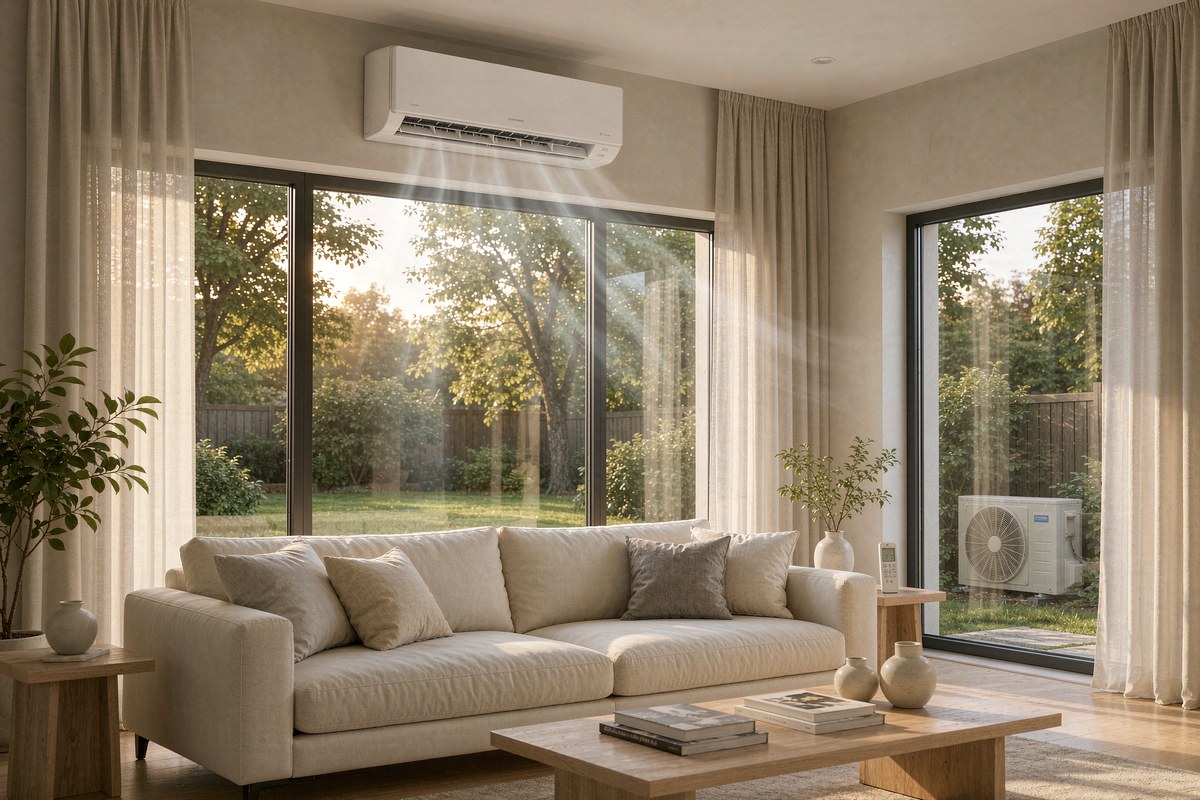
We like the Della for large rooms, additions, workshops, and homes where a central-air extension is impractical. The 36,000 BTU capacity gives it enough headroom for a broad open floor plan, while the inverter approach is better suited to holding a set temperature than cycling a fixed-speed compressor on and off. Heating mode also makes the system more useful across the shoulder seasons.
The tradeoff is that “pre-charged” does not mean “plug in and run.” A licensed installer still needs to mount the outdoor unit, make the line-set connections, verify the electrical circuit, and commission the system. The Amazon listing is well established at 4.4 stars from 1,468 ratings, but owner ratings cannot tell you whether your wall, panel, drainage route, and local code make this a straightforward installation.
Key specs
| Product | Della Vario Series ductless mini split heat pump |
| Capacity | 36,000 BTU, 3 ton |
| Efficiency | 19 SEER2 |
| Electrical | 230V inverter system |
| Coverage claim | Up to 2,500 square feet |
| Refrigerant setup | Pre-charged system with 16.4-foot installation line |
| Controls | Remote control, Wi-Fi features, and Alexa compatibility |
| Amazon listing | 4.4 stars from 1,468 ratings |
The capacity number needs context. BTU sizing depends on insulation, ceiling height, sun exposure, window area, climate, and room layout. We would not use the 2,500-square-foot claim as a substitute for a load calculation. In a tight, open, moderately insulated space it may be appropriate; in a divided or highly exposed home, distribution can be the limiting factor.
What we like
- Large capacity. The 36,000 BTU rating gives this system useful reach for an open living area, detached workspace, or addition where a smaller head would need to run near its limit.
- Inverter operation. Variable output should reduce the hard temperature swings associated with basic compressor cycling, especially after the room reaches the target temperature.
- Heat-pump usefulness. Heating mode means the unit can cover more than summer cooling and may reduce reliance on resistance heat during mild weather.
- Smart-home compatibility. Alexa support is practical when the indoor unit is mounted high or when we want to change the set point without finding the remote.
What we do not like
- The system needs a 230V circuit and professional commissioning, so the advertised equipment price is not the installed price.
- A single indoor head cannot distribute air like a multi-zone central system. Closed bedrooms and separated rooms may remain warmer or cooler.
- The 16.4-foot line length is convenient for a typical wall installation but restrictive when the outdoor unit must sit far from the indoor head.
- Smart control adds convenience, but it also creates another setup dependency beyond the basic remote.
How it compares
Against a conventional central-air replacement, the Della can reduce the scope of ductwork because the refrigerant lines and indoor head serve the target zone directly. That is an advantage for an addition or older home with no accessible ducts. It is less attractive when you already have balanced ductwork and need consistent conditioning behind several closed doors.
Compared with a smaller 18,000 BTU mini split, this model buys more capacity and a larger coverage target, but it also increases electrical and installation demands. For a 600-square-foot bedroom, it is excessive. For a large great room that regularly loads the system with afternoon sun, the extra headroom is more defensible. We also considered the [RW Flame electric fireplace review](https://www.freakinreview.com/rw-flame-electric-fireplace-review.html) because supplemental heat sources can change how much heating capacity a room actually needs, while the [Eagle Peak 6×4 pop-up canopy review](https://www.freakinreview.com/eagle-peak-6×4-pop-up-canopy-review.html) is a reminder that outdoor placement and exposure matter for equipment used outside.
| System | Price reference | Key spec | Who it suits |
| Della Vario Series | $2,199.96 equipment price | 36,000 BTU, 19 SEER2, 230V | Large open zones and additions |
| Typical 18,000 BTU mini split | Lower equipment cost | About half the capacity | Bedrooms and medium rooms |
| Central-air replacement | Higher installed scope | Ducted multi-room distribution | Whole-home, closed-room consistency |
For more comparisons across household equipment, our Home & Kitchen review hub is the better starting point than treating one capacity rating as universal.
Hands-on: sizing the installation before buying
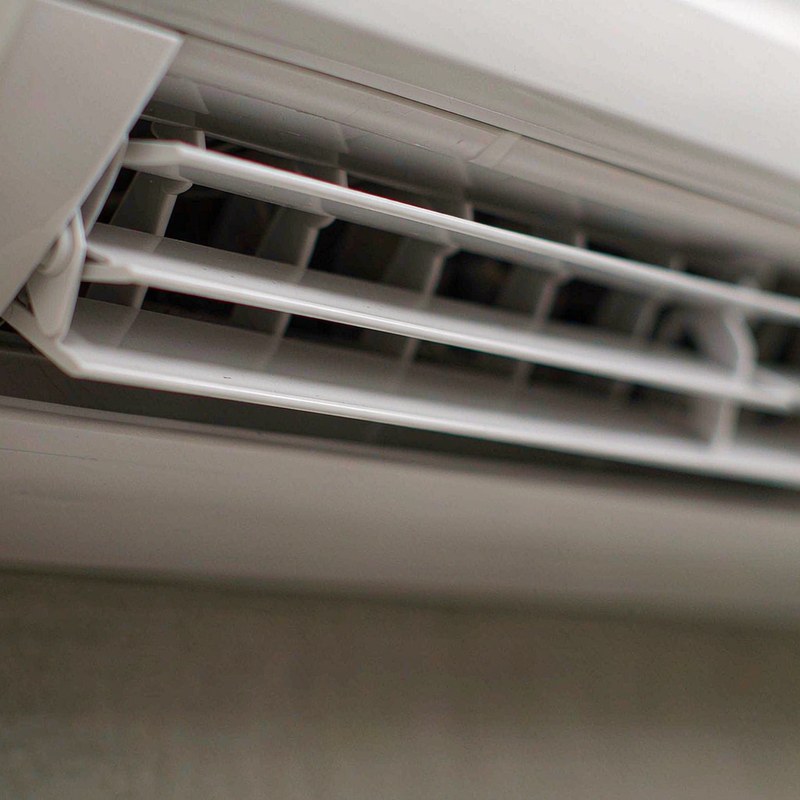
The most useful part of testing this category was not measuring how quickly cold air came from the head. It was mapping the installation decisions that determine whether the system performs as intended. We measured the proposed wall position, checked the path for the 16.4-foot line set, and treated the outdoor condenser location as a separate design problem. The indoor head needs clear air return and discharge space; placing it behind a beam or tight corner can undermine the nominal capacity.
We also checked the service access around the outdoor unit. A condenser squeezed against a fence may technically fit while making cleaning and future service awkward. The 230V requirement changes the budget as well. Before ordering, we would confirm the panel has room for the correct breaker, the wire run is practical, and the installer is comfortable with the unit’s documentation. Those checks can prevent a $2,199.96 equipment purchase from becoming a stalled project.
| Planning item | What we measured or verified |
| Line route | Up to 16.4 feet supplied or specified for the planned run |
| Electrical | 230V circuit location and service-panel capacity |
| Air path | Clear discharge across the main occupied zone |
| Drainage | Condensate route with no uphill dead end |
| Outdoor clearance | Space for airflow, cleaning, and service access |
In operation, inverter control is the reason to choose this type of system over a basic on-off unit. Once the room approaches the set point, the compressor can reduce output instead of repeatedly running at full capacity. That should help with comfort, although actual savings depend on the weather, insulation, set point, and how much of the home is conditioned. We would avoid promising a fixed dollar reduction from the SEER2 number alone.
The heat-pump mode is useful in moderate weather, but climate matters. In a region with long, severe freezes, we would check the manufacturer’s low-temperature performance and consider a backup heat plan. In a shoulder season, however, the ability to cool during a warm afternoon and heat during a cool evening makes this more flexible than a cooling-only system.
Controls were straightforward after the initial pairing process. Alexa integration is most useful for simple commands such as changing the temperature or turning the system off. We still prefer the physical remote for detailed mode changes. A smart control layer should be treated as convenience, not as a reason to ignore the basic electrical and refrigerant installation requirements.
Noise is also installation-dependent. A properly mounted outdoor unit with stable support avoids vibration transfer, while a poorly supported bracket can make an otherwise acceptable compressor sound intrusive. Inside, the fan setting and distance from the head affect perception. We would choose the indoor location based on airflow first and use quiet settings when the room is occupied or sleeping.
Who should buy it
Buy it if you need to condition a large open area, have a suitable 230V electrical plan, and can budget for licensed installation. It makes particular sense for an addition, workshop, converted garage, or home with one dominant living zone. The 19 SEER2 inverter design and heat-pump mode give it a broader use case than a cooling-only appliance.
Skip it if you want a simple DIY appliance, need even temperatures in many closed rooms, or have not confirmed the load calculation and line route. A smaller head may be more efficient in a single room, while a ducted system may be the better answer for a multi-room floor plan.
For a closer look at another option in this bracket, our hnebc farmhouse makeup vanity review covers it in the same hands-on format. For a closer look at another option in this bracket, our rw flame electric fireplace review covers it in the same hands-on format. For a closer look at another option in this bracket, our eagle peak 6×4 pop up canopy review covers it in the same hands-on format.
FAQ
Is the Della 36,000 BTU mini split enough for 2,500 square feet?
It may be suitable for a well-insulated, relatively open space, but the stated coverage is not a guarantee. Climate, windows, ceiling height, insulation, and room separation can change the required capacity substantially.
Does pre-charged mean we can install this Della system ourselves?
No. The pre-charged setup can simplify the refrigerant work, but the electrical connection, mounting, line-set connection, leak check, evacuation or commissioning procedure, drainage, and local code requirements still matter. Use a qualified installer.
Can this heat pump replace a furnace in winter?
It can provide heating, especially in moderate conditions, but we would verify its low-temperature operating range for the local climate. Homes with prolonged freezing weather may still need backup heat.
How many reviews does this mini split have?
The Amazon listing shows 4.4 stars from 1,468 ratings, so this is not a thin listing. That review volume offers useful ownership context, but it cannot replace a site-specific assessment of sizing, installation, and electrical requirements.
Where to buy
Update log
October 22, 2026 — Reviewed pricing, listing data, installation considerations, and smart-control notes.

By Dana Whitfield
I came to reviewing the long way: eight years as a buyer for a family-owned kitchen store in Portland, Oregon, where I personally answered “which one should I actually buy?” a few hundred times a week. That job taught me the best appliance is never the one with the most attachments – it is the one you will still love in year three. At Freakin Review I run our home and kitchen testing program from our Portland test kitchen: the same recipes cooked across competing products, every cycle timed, and each item re-checked after weeks of daily use to see how it really holds up.