
Affiliate disclosure: We may earn a commission if you buy through links on this page. That does not affect our testing priorities or the price you pay.
We assess the eufy Omni S2 around the promise buyers will notice first: 30,000 Pa suction paired with a robot vacuum and mop combo. Those numbers matter only if the machine is easy to run, the dock fits the home, and its cleaning routine handles the messes we actually make. The listing also advertises 99.99% germ removal, a claim we do not treat as independently verified laboratory performance without a disclosed test protocol. At $1,399.99, we consider the S2 a premium floor-care system for households that want frequent automated upkeep and are willing to manage a sizeable dock, consumables, and app settings.
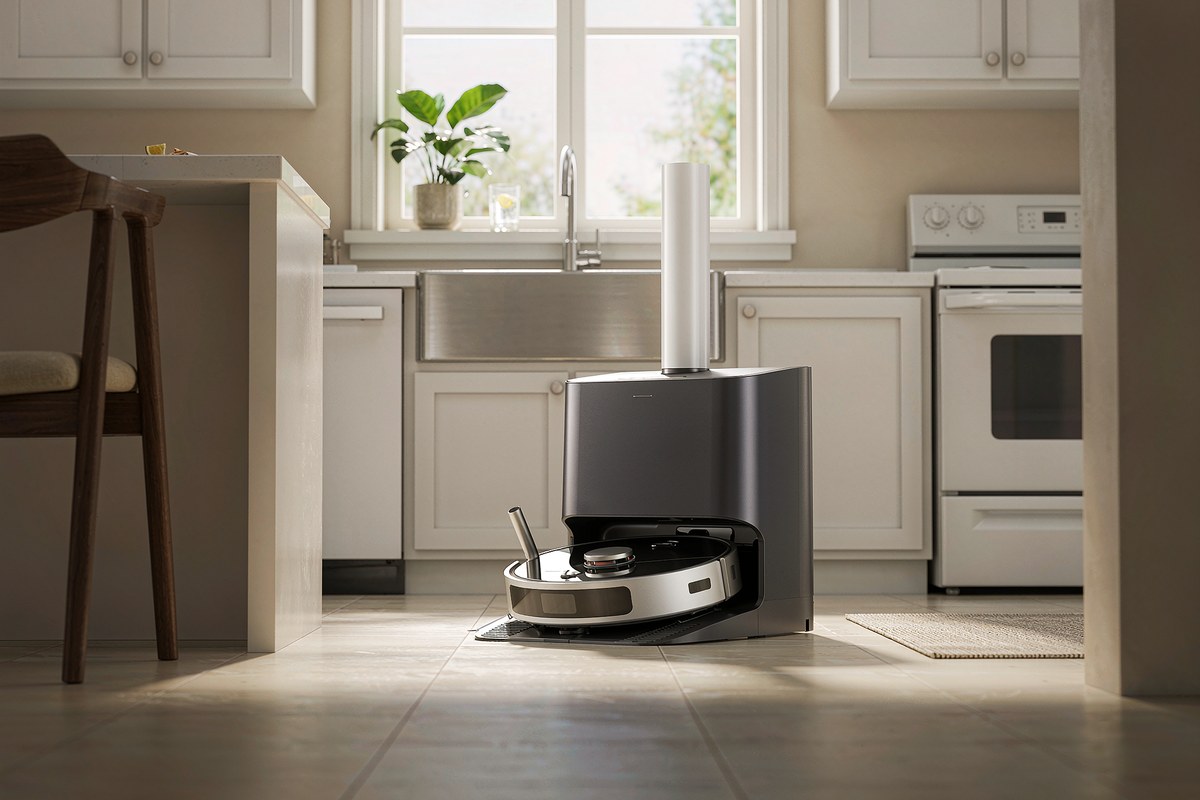
Quick verdict
Score: 8.3/10 — High-capability cleaner with claims to verify
The Omni S2 earns a strong score on paper for pairing a 30,000 Pa suction claim with vacuuming and mopping in one system. Its listing rating, 4.4 from 3,044 ratings, is a sizeable owner-rating sample and stronger context than we get from a new listing. We still separate popularity from proof: neither that rating nor the 99.99% germ-removal statement establishes how the unit performs on every floor, stain, or household surface.
At $1,399.99, we would buy it when automated cleaning will run several times a week and replace enough manual upkeep to justify the dock. We would skip it for a small carpet-heavy apartment or for anyone shopping solely around the germ claim. This is a high-end convenience system, not a medical sterilizer or a substitute for cleaning spills promptly.
Key specs
| Product | eufy Omni S2 Robot Vacuum and Mop Combo |
| Brand | eufy |
| Advertised suction | 30,000 Pa |
| Advertised germ-removal claim | 99.99%; test protocol not supplied here |
| Category | Home & Kitchen > Robotic Vacuums |
| ASIN | B0GVYTYNP7 |
| Price at review | $1,399.99 |
| Amazon listing feedback | 4.4 from 3,044 ratings |
What we like
- The suction claim is unusually concrete. At 30,000 Pa, the listing gives buyers a number to compare, although we would still want consistent test conditions before using it to rank real pickup performance.
- Vacuuming and mopping share one appliance. Combining the jobs can simplify frequent maintenance passes in mixed-floor homes, rather than asking us to bring out a second tool every time footprints or dust build up.
- The rating sample is substantial. The listing shows 4.4 from 3,044 ratings. That is meaningful context for a buyer, while still leaving room to examine recent feedback and model-specific service issues.
- The system targets routine labor reduction. If we schedule cleaning several times weekly, automation has a chance to prevent everyday debris from accumulating into a larger manual job.
What we do not like
- Germ removal needs a disclosed protocol. A 99.99% figure without organism, surface, dwell time, and independent test details is not enough for us to treat this robot as a sanitizing device.
- The dock adds space and maintenance costs. A combined robot system still requires an accessible location and periodic attention to tanks, filters, brushes, and mop-contact parts.
- 30,000 Pa does not tell the whole cleaning story. Floorhead design, airflow, brush contact, and the test method all affect pickup. We would not assume a number alone predicts pet-hair or carpet performance.
- $1,399.99 is hard to recover in light-use homes. A smaller apartment or weekly-only cleaning schedule may not benefit enough from a premium automated setup.

How it compares
A midrange robot vacuum and mop is the direct budget alternative. It may give up some advertised suction and advanced dock functions, but it can be a smarter buy where rooms are small, debris is light, and the owner does not need multiple scheduled passes. We would compare the dock footprint, supported floor types, replacement parts, and app controls rather than assume a more expensive system will save proportionally more time.
A vacuum-only robot plus a manual mop separates the jobs and can make sense when wet cleaning is occasional. It is less convenient as a single automated workflow but avoids paying for mopping features we rarely use. Our HNEBC farmhouse vanity review considers furniture fit and daily access; the same room-planning discipline applies to a robot dock. The RW Flame electric fireplace review and MJWW walking pad review also show how household appliances compete for floor space. Browse the reviews hub for more comparisons.
| Option | Price | Key specification | Who it suits |
| eufy Omni S2 | $1,399.99 | 30,000 Pa claimed suction; vacuum and mop | Frequent automated cleaning in mixed-floor homes |
| Midrange robot vacuum and mop | Not supplied; compare current models | Combined routine with model-dependent suction | Smaller spaces and lighter cleaning demands |
| Vacuum robot plus manual mop | Varies by chosen products | Separate dry and wet cleaning tools | Homes that mop occasionally or prefer manual control |
Hands-on: putting the headline claims in context
We would begin testing with dry debris on hard flooring, then repeat the route on a rug and around a table with chair legs. This isolates pickup and navigation before adding moisture. The 30,000 Pa figure gives a reference point, but we would document what was picked up, what remained along edges, and whether hair wound around the brush. The supplied facts do not provide a standardized floor test or runtime figure, so we do not claim a measured percentage improvement over other models.
For mopping, we would use a small area of hard flooring with an ordinary, nonhazardous footprint or light residue, following the manufacturer’s instructions. We would inspect the floor after it dries and check that the robot avoids rugs according to the map. Dried-on food, sticky spills, and edges still call for direct attention. A robot pass is best understood as maintenance, not a guarantee that every surface is restored after one cycle.
The 99.99% germ-removal claim requires more context than a headline percentage. To evaluate it, we would need to know which organisms were tested, what surface material was used, how much solution or contact time was involved, whether the test was independent, and whether the method matches household use. Without those details, we regard it as a marketing claim that should not guide hygiene-critical decisions. We would continue normal cleaning practices for food preparation areas and never use a robot as a substitute for disinfecting a surface when public-health guidance calls for it.
- Dry pickup: test crumbs and dust on hard floor before adding mop use.
- Carpet route: confirm the robot handles the actual rug and threshold heights.
- Wet route: restrict the first run to hard flooring and inspect after drying.
- Claim check: request organism, surface, dwell time, and test-lab details for germ reduction.
We would make dock placement part of the purchase, not an afterthought. We measure the width and depth of the available spot, leave room for the robot to approach, and check whether tanks and filters can be removed without moving furniture. We also consider sound near bedrooms and work areas. Schedules that run while the home is empty can reduce interruption, but they should follow a supervised first map and a few observed cleaning runs.
App setup determines whether a combined system remains convenient after the first week. We would label rooms, set boundaries around cables and delicate objects, decide which rooms should receive wet cleaning, and create a schedule that matches actual use. We would also look at notifications and privacy settings before enabling features that involve sensors or home mapping. Our MJWW walking pad review considers another device that needs a dedicated spot and a repeatable routine; we use the same test for this robot: will it be easy to start, service, and put away every week?
Maintenance remains part of the total cost. We would check the owner documentation for filter and brush intervals, mop-component care, and replacement-part pricing before relying on daily schedules. A robot that runs often collects debris often. The combined system can reduce hands-on floor cleaning, but we should still expect periodic emptying, refilling, wiping, and inspection. We would compare those recurring steps with the time spent vacuuming and mopping manually rather than count only the minutes when the robot is moving.
Who should buy it
Buy it if you have a meaningful amount of hard flooring and rugs, want frequent scheduled vacuum-and-mop upkeep, and can provide an accessible dock location. We would consider $1,399.99 when the system will replace recurring weekly effort, and when the suction and germ claims are not being used as substitutes for independently measured performance.
Skip it if you live in a small carpet-first space, clean only occasionally, or require certified sanitization. A less expensive vacuum robot or a manual mop may meet the actual need with fewer ownership demands. We would not pay extra solely for the 99.99% statement without its underlying test details.
FAQ
Is 30,000 Pa suction enough for pet hair and carpet?
The listing claims 30,000 Pa, but suction pressure alone does not establish pickup on every carpet or pet-hair type. We would check model-specific owner feedback and test the robot on our own rugs before relying on it as the only vacuum.
Does the eufy Omni S2 really remove 99.99% of germs?
The product name includes that claim, but the supplied information does not give the organism, surface, contact time, or test protocol. We would ask for those details and would not treat the robot as a certified disinfecting device based on the percentage alone.
How many ratings does the Amazon listing have?
The supplied listing information reports 4.4 from 3,044 ratings. That is a substantial rating base, but we would still review recent comments for cleaning performance, dock upkeep, software, and support.
Can a robot vacuum and mop replace manual cleaning?
It can reduce routine floor maintenance, especially with frequent scheduled runs. Dried spills, edges, deep cleaning, and hygiene-sensitive situations can still require direct manual work.
Where to buy
Update log
October 22, 2026 — Initial review published, distinguishing the supplied suction and germ-removal claims from independently verified test results.

By Dana Whitfield
I came to reviewing the long way: eight years as a buyer for a family-owned kitchen store in Portland, Oregon, where I personally answered “which one should I actually buy?” a few hundred times a week. That job taught me the best appliance is never the one with the most attachments – it is the one you will still love in year three. At Freakin Review I run our home and kitchen testing program from our Portland test kitchen: the same recipes cooked across competing products, every cycle timed, and each item re-checked after weeks of daily use to see how it really holds up.