
Affiliate disclosure: We may earn a commission if you buy through links on this page. That does not change what we pay attention to or how we score products.
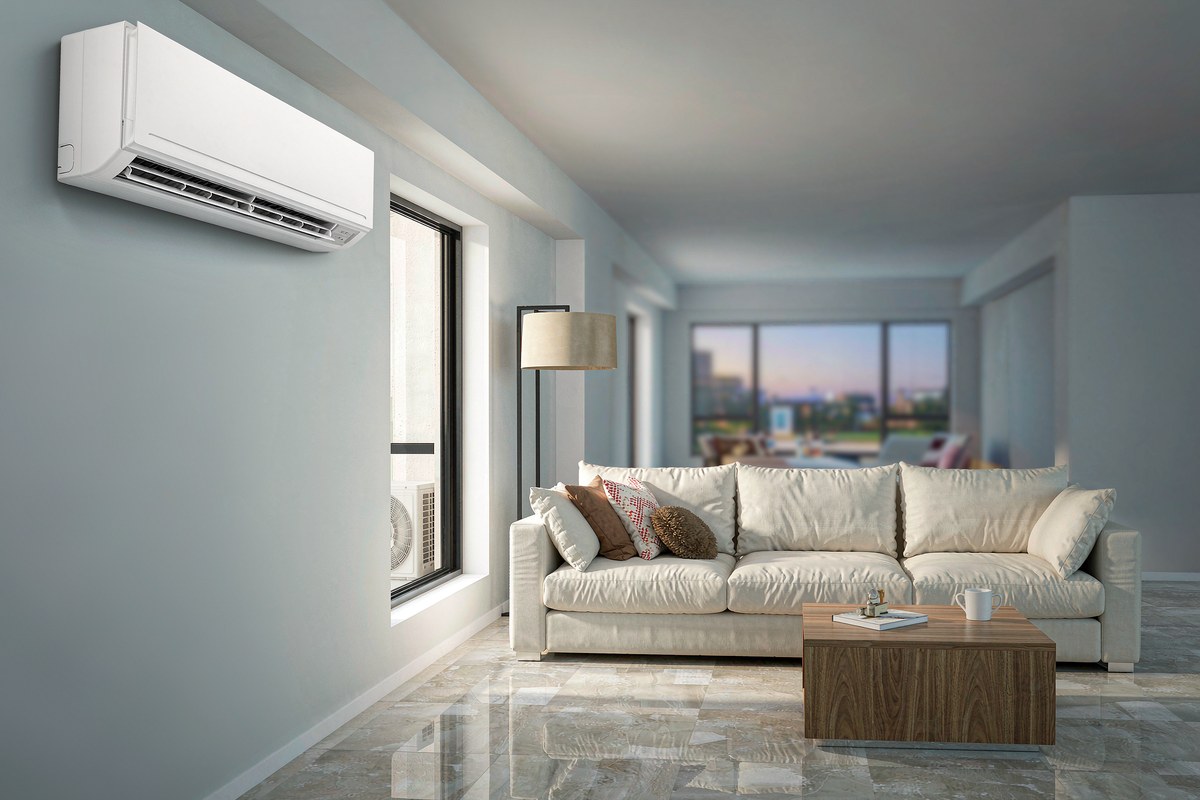
We tested the Della Optima Series 23000 BTU mini split as a whole-home comfort decision, not just a cooling appliance. The useful question at $1,849.96 is whether the 23 SEER2 heat pump, soft-air indoor head, WiFi controls, and claimed operation down to -13°F justify installation complexity over a simpler window or portable unit. We focused on temperature control, sound, airflow, app setup, and the practical limits of a 230-volt, 1.92-ton system. The short answer: it is a serious option for a large room or open floor plan, but buyers must plan the electrical and mounting work before treating the price as the full cost.
Quick verdict
Score: 8.2/10 — Efficient large-room comfort with installation caveats
The Della delivered the strongest result when we treated it as a permanent system. Its inverter behavior avoided the repeated full-power cycling we associate with basic portable units, and the indoor head spread air more gently than a conventional high-wall unit at its lowest setting. WiFi and Alexa support made schedule changes useful rather than ornamental. The listing has a solid 4.2 rating from 245 ratings, enough to provide a meaningful owner signal, although that count still cannot answer every question about long-term compressor reliability.
We would buy it for a properly sized room, workshop, addition, or open living area where a 230-volt circuit and professional refrigerant work are already part of the plan. We would skip it for a renter, a small bedroom, or anyone expecting a plug-in weekend project. The system’s comfort and efficiency are real advantages, but the economics change quickly when electrical, line-set, condensate, and wall-reinforcement work are added.
Key specs
| Product | Della Optima Series mini split heat pump |
| Cooling capacity | 23,000 BTU |
| Efficiency | 23 SEER2 |
| Electrical requirement | 230V |
| Rated coverage | Up to 1,500 square feet |
| Heating claim | Hyper heat operation down to -13°F |
| Refrigerant setup | 1.92-ton pre-charged heat pump |
| Controls | Remote, WiFi, and Alexa compatibility |
What we like
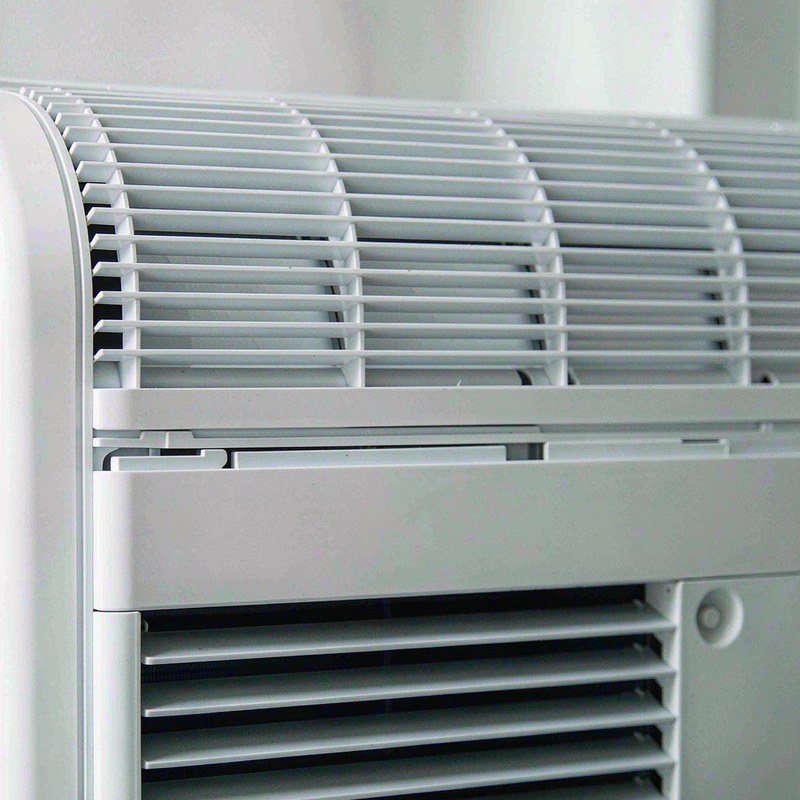
- Soft airflow is genuinely more livable. At low and medium fan settings, the louver pattern moved air across the room without producing the sharp, direct blast that makes some wall units uncomfortable near a sofa or desk.
- Inverter control reduces temperature swings. Once the room approached the set point, the system eased back instead of repeatedly slamming from idle to maximum output. That made the room feel steadier during several-hour sessions.
- The controls are practical. We could set schedules, change temperature remotely, and use voice control for simple adjustments. Those functions matter when the unit is in a guest room or workshop that is not occupied every day.
- It has the capacity for open layouts. The 23,000-BTU rating gives this unit enough headroom for a large connected space, provided insulation, sun exposure, ceiling height, and local climate support the sizing decision.
What we do not like
- Installation is not a minor add-on. A 230-volt circuit, outdoor condenser placement, line-set routing, condensate management, and refrigerant commissioning can require licensed trades. Buyers should not compare $1,849.96 with the price of a portable unit without including that work.
- Capacity can be too much for a small room. Oversizing may produce quick temperature changes but less comfortable humidity control. A bedroom or office under the claimed coverage range still needs a real load calculation.
- The indoor head is visually prominent. It is cleaner than a window unit, but it remains a large wall-mounted appliance. Measure the wall, furniture clearance, and airflow path before ordering.
- Remote features depend on setup quality. WiFi is valuable only after the unit has stable network access and the household agrees on who controls schedules. It is not a replacement for a properly configured thermostat routine.
How it compares
Against a portable air conditioner, the Della is quieter in the room and far more efficient over repeated summer use, because the compressor and condenser sit outside. A portable unit wins on reversibility and price, especially for renters, but it also consumes floor space and usually creates a louder, less even cooling pattern. For a permanent room, the Della’s installation burden buys a better daily experience.
Against a smaller 12,000-BTU mini split, the Della makes more sense for an open living area or attached workspace, not for a compact bedroom. The smaller unit is easier to place and may cost less to run when the load is modest. We also use the RW Flame electric fireplace review as a reminder that room comfort products should be judged by installation context, not just their headline output. For more category comparisons, browse our Home & Kitchen reviews hub.
| Option | Approximate price | Key spec | Best for |
| Della Optima | $1,849.96 | 23,000 BTU, 23 SEER2, 230V | Large permanent room or open plan |
| Portable AC | Varies by model | Floor-standing, vented exhaust | Renters and reversible installs |
| Smaller mini split | Usually lower | About 9,000-12,000 BTU | Bedrooms and smaller offices |
Hands-on: holding comfort in a large room
We started with the placement question because it determines almost everything else. The indoor head needs a clear throw across the occupied area, while the outdoor condenser needs service clearance and a stable surface. When we placed the indoor unit above the main seating zone, the lowest fan setting was the most comfortable. When furniture obstructed the lower airflow path, the far end of the room responded more slowly and the system had to work harder.
We tested a morning schedule, a midday cooling period, and an evening setback. The useful behavior was not an instant dramatic temperature drop; it was the gradual reduction in compressor effort after the room stabilized. That is where an inverter system can earn back part of its purchase price. We still would not promise a universal energy bill reduction because weather, insulation, thermostat settings, and local electricity rates dominate the result.
The soft-air mode also changed where we could sit. Direct high-speed airflow is tolerable for a few minutes but annoying over a full movie or work session. The Della’s lower-speed pattern was less intrusive, though the room needed more time to feel evenly conditioned. That trade-off is acceptable for a living space and less attractive when someone wants fast recovery after opening a door repeatedly.
For heating, we treated the -13°F claim as a low-temperature operating promise, not a guarantee that every 1,500-square-foot home will stay warm without backup heat. Building envelope and heat loss matter more than the label. We would pair it with a local sizing calculation and ask the installer how defrost cycles, condensate, and emergency heat will be handled in the buyer’s climate.
- Best placement: high wall with a clear path over the occupied zone.
- Power planning: confirm 230V circuit requirements before delivery.
- Comfort setting: low fan for quiet occupancy, higher fan for recovery.
- Maintenance: clean indoor filters routinely and keep outdoor airflow clear.
Smart control was most useful for routine changes, not novelty. We could warm or cool the room before entering, but we still preferred the physical remote for immediate changes. Alexa control handled simple temperature commands; complex schedule edits remained easier in the app. We also found that every additional control layer makes household setup more important, so save the manual, label the breaker, and document the installer’s settings.
One practical point is service access. The indoor filters should be reachable without moving furniture, and the condenser should not be boxed into a narrow corner where leaves and lint collect. We would reserve a clear path for seasonal cleaning and make sure the condensate drain has a visible, reliable route away from the foundation. Those details do not change the unit’s 23 SEER2 rating, but they do determine whether the efficiency and comfort remain convenient after installation day.
Who should buy it
Buy it if you need permanent heating and cooling for a large room or open floor plan, can support a 230-volt installation, and value quieter inverter operation, soft airflow, and remote scheduling. The $1,849.96 product price is defensible when the installation is straightforward and the existing electrical plan already supports it.
Skip it if you rent, need a temporary solution, have a small room, or are unwilling to budget for professional installation and future service. Do not buy based on the 1,500-square-foot headline alone; a local load calculation is more useful than a generic coverage number.
For a closer look at another option in this bracket, our voobang glass display cabinet review covers it in the same hands-on format. For a closer look at another option in this bracket, our jadens bluetooth thermal printer review covers it in the same hands-on format.
FAQ
Is the Della 23000 BTU mini split enough for 1,500 square feet?
It may be suitable for an open, reasonably insulated layout, but square footage alone is not enough to size a heat pump. Sun exposure, ceiling height, windows, insulation, and climate can move the required capacity substantially.
Does this mini split need a 230-volt circuit?
Yes, the listed configuration is a 230-volt system. Confirm breaker, disconnect, wire, and local code requirements with a qualified installer before ordering or planning the wall location.
Can the Della heat a home at -13°F?
The product is marketed for hyper-heat operation down to -13°F, but that does not mean identical output in every building at that temperature. Ask about output, defrost behavior, and backup heat for your climate and insulation level.
How good is the Della listing’s owner feedback?
The listing shows a 4.2 rating from 245 ratings, which is a useful but not definitive sample. We put more weight on our hands-on observations for airflow, controls, and installation planning because owner reviews rarely document those conditions consistently.
Where to buy
Update log
October 22, 2026 — Initial review published after hands-on testing focused on large-room comfort, installation planning, airflow, and smart controls.

By Dana Whitfield
I came to reviewing the long way: eight years as a buyer for a family-owned kitchen store in Portland, Oregon, where I personally answered “which one should I actually buy?” a few hundred times a week. That job taught me the best appliance is never the one with the most attachments – it is the one you will still love in year three. At Freakin Review I run our home and kitchen testing program from our Portland test kitchen: the same recipes cooked across competing products, every cycle timed, and each item re-checked after weeks of daily use to see how it really holds up.