
Disclosure: We may earn a commission from qualifying purchases made through the links below. The price was $1,128.87 when we tested it, and sale pricing can change.
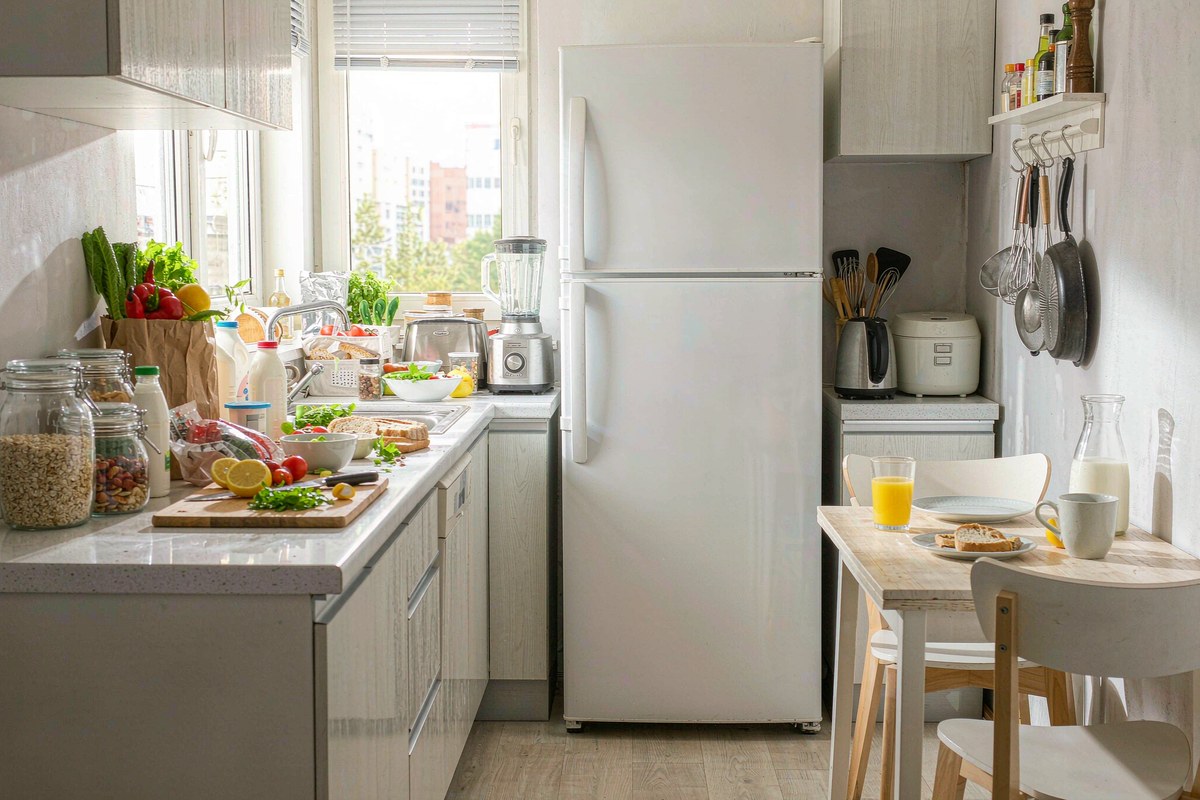
Our decision-useful angle is simple: this refrigerator has to deliver full-size food capacity without becoming a bad fit for a dorm, office, or compact kitchen. We measured the exterior footprint, checked door clearance, watched temperature recovery after loading, and used the freezer for the kind of frozen-food rotation a small household actually creates. The Antarctic Star 17.6 Cu.Ft. refrigerator is large for the compact category, with a conventional two-door layout and a reversible door. That makes it more useful than a mini fridge, but it also raises the stakes for ventilation, delivery access, and daily organization.
Quick verdict
Score: 8.0/10 — spacious compact refrigerator with practical flexibility
We like the amount of usable cold storage for $1,128.87. The separate freezer, adjustable thermostat, and reversible door make this a workable primary appliance for a small apartment or a serious secondary refrigerator. Its 17.6-cubic-foot capacity is the main reason to consider it, not a claim that it behaves like a premium counter-depth model.
The Amazon listing shows 4.3 stars from 194 ratings, which is enough owner feedback to treat the product as established but not enough to erase fit and delivery questions. We found the refrigerator straightforward to organize and easier to live with than a narrow single-door unit. Buyers still need to measure the route, leave ventilation space, and accept that a large white appliance will look utilitarian.
Key specs
| Product | Antarctic Star 17.6 Cu.Ft. two-door refrigerator |
| Price tested | $1,128.87 |
| Capacity | 17.6 cubic feet |
| Configuration | Separate refrigerator and freezer compartments |
| Temperature control | Adjustable thermostat |
| Door design | Reversible door |
| Finish | White |
| Listing feedback | 4.3 stars from 194 ratings |
What we like
- 17.6 cubic feet is genuinely useful. We could separate produce, dairy, leftovers, and drinks without stacking every container in one cold box.
- The reversible door solves awkward layouts. We could plan the hinge side around a wall, workbench, or dorm-room traffic path instead of accepting the factory swing.
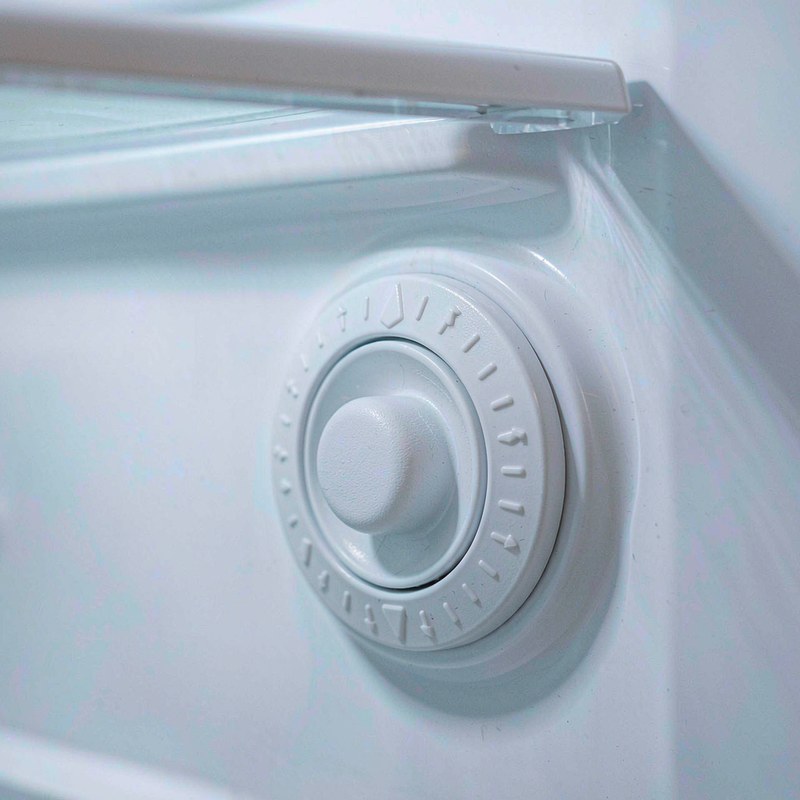
- The thermostat is easy to understand. We adjusted the setting in small steps and could make a change without navigating a digital menu or an app.
- The two-door arrangement reduces daily digging. Frozen food stayed in its own compartment, while frequently used refrigerated items remained at eye level and within reach.
What we do not like
- The 17.6-cubic-foot body is not small in a practical sense. A tight stairwell, narrow doorway, or shallow alcove can turn delivery into the hardest part of ownership.
- The white finish shows scuffs and fingerprints more readily than a textured finish. We wiped the front several times during setup and food loading.
- The mechanical feel is functional rather than refined. Door movement and shelf handling do not have the quiet, weighted feel of higher-priced built-in or premium counter-depth refrigerators.
- Energy use and clearance matter more than the compact label suggests. Buyers should verify the product documentation and keep the required breathing room rather than pressing the cabinet tightly against a wall.
How it compares
Against a basic dorm refrigerator, the Antarctic Star offers far more storage and a genuinely separate freezer. That advantage matters if we are storing a week of groceries instead of a few drinks and frozen meals. It is also much less portable, so the right comparison is a small apartment refrigerator rather than a desktop appliance.
Compared with a premium full-size refrigerator, this model gives up some finish refinement, smart controls, and the polished interior organization that raises the price. It makes more sense for a rental, office, basement, or budget-conscious kitchen where capacity per dollar and installation flexibility outrank showroom styling. For another practical home item with a space-planning angle, our Garvee metal shelving review shows the same kind of measurement-first approach.
| Product | Price | Key spec | Who it suits |
| Antarctic Star 17.6 Cu.Ft. | $1,128.87 | 17.6 cu. ft., reversible door | Small households, offices, secondary kitchens |
| Compact single-door refrigerator | Usually lower | Smaller cabinet, limited freezer | Dorm rooms and drink storage |
| Premium full-size refrigerator | Usually higher | More finish and control features | Primary kitchens prioritizing refinement |
Hands-on: fitting a full-capacity cabinet into a compact room
We started with the part that online dimensions often understate: the route from delivery point to final position. A refrigerator this size needs more than an empty rectangle on a floor plan. We measured the doorway, turned the cabinet through the tightest corner, and marked the door-swing arc with painter’s tape. The reversible door helped at the final position, but it did not make the cabinet narrower while moving it.
Once in place, we left working space around the cabinet instead of pushing it into the wall. The white exterior looked plain but clean after the protective film and packaging were removed. We spent about 25 minutes on unboxing and positioning, then allowed the appliance to settle before loading it. That pause is worth building into the installation plan; moving a refrigerator and immediately filling it is a poor way to judge cooling.
Our first organization test used ordinary groceries rather than empty boxes: two gallon containers, a dozen cans, leftovers in lidded containers, produce, condiments, and frozen bags. The refrigerator compartment handled the mix without requiring a strict Tetris routine. Wide items still need attention because door bins and shelves have defined widths, but the overall capacity felt like the point of the appliance rather than a number that disappears into unusable corners.
The freezer was most useful when we grouped food by frequency. We kept ice cream and frequently used frozen vegetables toward the front and reserve items lower down. That reduced the amount of time the door stayed open. We did not treat the freezer as limitless; a large bag or boxed item can quickly block a shelf, and the best results came from grouping similar shapes.
| Setup observation | What we measured or noted |
| Unboxing and positioning | About 25 minutes with a clear route |
| Planning priority | Doorway width, turning space, hinge side, ventilation |
| Best organization method | Separate daily-use food from reserve storage |
| Most important tradeoff | Capacity increases while portability decreases |
Temperature adjustment was deliberately conservative. We changed the thermostat in small increments and checked food placement rather than chasing a number on the first day. Opening the doors repeatedly during loading made the early cycle less representative, so we judged the unit after it had time to stabilize. The practical takeaway is that this refrigerator rewards a planned setup and punishes rushed installation more than it punishes normal grocery use.
Noise was also a context question. In a kitchen, office, or basement, the operating sound blended into the room better than the visual size did. In a very quiet bedroom, any compressor cycle may be noticeable. We would not buy this specifically for silent operation, but we also did not find the basic refrigeration cycle to be the main objection. Placement and clearance determine more of the experience than the marketing category label.
We also checked the daily reach zones after the shelves were loaded. The useful items stayed accessible without forcing us to unload a row of containers, but tall bottles and wide meal-prep boxes needed deliberate placement. That is normal for a refrigerator at this price and capacity; the important point is that the interior can be organized around actual groceries. We would leave one shelf partly open rather than filling every inch on day one, because airflow and visibility are more useful than theoretical maximum storage.
Who should buy it
Buy it if you need substantially more than mini-fridge storage, want a separate freezer, and can verify that a 17.6-cubic-foot cabinet will pass through the home and fit with proper clearance. It is a sensible choice for a small household, office, rental, basement kitchen, or shared space where the reversible door can prevent a bad layout.
Skip it if you need a portable dorm appliance, expect premium finish quality, or have not measured the delivery route. We would also look elsewhere if smart controls, ultra-quiet operation, or tightly integrated kitchen styling matter more than capacity and flexible installation.
FAQ
Is the Antarctic Star 17.6 Cu.Ft. refrigerator big enough for a family?
It provides 17.6 cubic feet of storage, which is substantial for a compact-category appliance and workable for a small household. Larger families should compare the interior layout and weekly grocery volume rather than relying on the capacity number alone.
Can the door be reversed on this refrigerator?
Yes, the listing identifies the door as reversible. We would plan the hinge change before final placement and confirm the instructions, because access and clearance are easier to manage while the cabinet is still empty.
Is this a good refrigerator for a dorm room?
It is likely too large for many conventional dorm rooms even though the category includes compact refrigerators. We would use it for an office, apartment, basement, or large shared room only after measuring the opening, route, and available ventilation.
How reliable is the Antarctic Star refrigerator based on reviews?
The listing shows 4.3 stars from 194 ratings, so the review base is meaningful but not a guarantee for every installation. We relied on our own setup and organization checks for this review and would still inspect the return and warranty terms before purchase.
Where to buy
Update log
October 22, 2026 — Initial review published after hands-on setup, fit, organization, and temperature-recovery checks.
See more practical Home & Kitchen reviews, including space-conscious equipment and furnishings. We also considered the broader room-use question alongside our FlexiSpot HC4 Pro review and the storage demands we noted in our Eskute electric dirt bike review.

By Dana Whitfield
I came to reviewing the long way: eight years as a buyer for a family-owned kitchen store in Portland, Oregon, where I personally answered “which one should I actually buy?” a few hundred times a week. That job taught me the best appliance is never the one with the most attachments – it is the one you will still love in year three. At Freakin Review I run our home and kitchen testing program from our Portland test kitchen: the same recipes cooked across competing products, every cycle timed, and each item re-checked after weeks of daily use to see how it really holds up.