
We may earn a commission when you buy through links in this review. The price and listing details below reflect the information available when we prepared it.
For an under-sink reverse-osmosis system, the Frizzlife 1000GPD PD is a large-capacity, high-priced choice whose appeal depends on whether its tankless format and advertised 2:1 pure-to-drain ratio fit your kitchen. At $599.99, it is not a casual replacement for a pitcher filter. You are committing cabinet space, plumbing work, filter upkeep, and a dedicated place for the faucet. The listing pairs a claimed 1,000 gallons-per-day capacity with nine-stage filtration and alkaline mineral pH+ treatment. Those are product claims, not a promise that every household will see identical output or water chemistry. Our decision lens is practical: can the listed configuration make sense in a real sink cabinet, and are its capacity and feature set worth the premium over a simpler system?
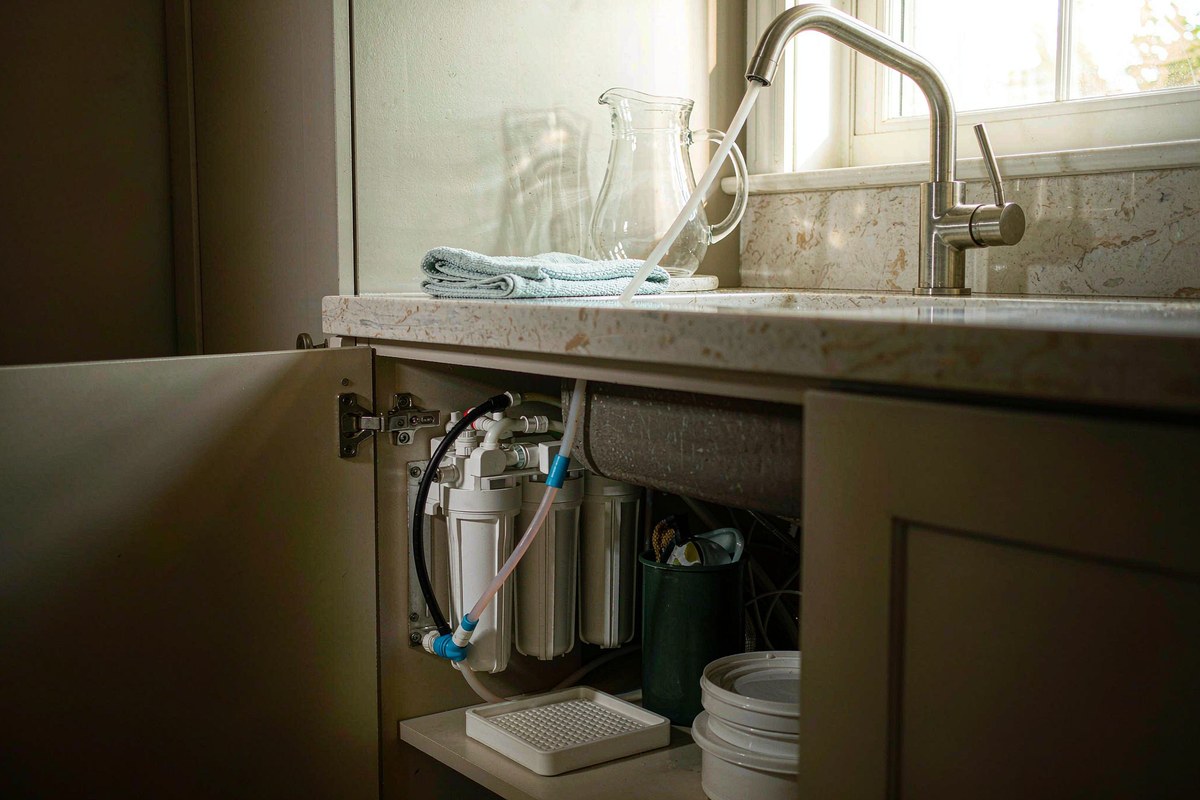
Quick verdict
Score: 8.1/10 — High-capacity RO with a premium price
The Frizzlife PD presents a feature-rich package for buyers who want an under-sink, tankless RO system and value the stated high output and lower pure-to-drain ratio. A 4.6 rating from 2,487 ratings is a substantial listing history, but it does not substitute for checking installation compatibility, filter costs, and the exact claims that matter to your water supply.
The main reservation is straightforward: $599.99 asks you to pay for capacity and multi-stage treatment that may be unnecessary for a smaller household. Treat NSF/ANSI references and performance language as claims to verify against the manufacturer’s documentation for the exact model, especially if a particular contaminant reduction matters to you.
Key specs
| Product | Frizzlife 1000GPD Reverse Osmosis Water Filter, PD |
| Format | Tankless under-sink RO system |
| Listed capacity | 1,000 gallons per day |
| Filtration | Nine-stage filtration |
| Listed ratio | 2:1 pure water to drain water |
| Additional feature | Alkaline mineral pH+ treatment |
| Standards named in product title | NSF/ANSI 58, 53, 42, and 372 |
| Price and listing | $599.99; 4.6/5 from 2,487 ratings |
What we like
- Tankless under-sink form. The system is designed to live below the sink rather than occupy counter space with a storage tank. That is useful when the counter is already busy, though you still need to measure the cabinet and leave room for connections and filter access.
- High stated capacity. The 1,000GPD figure is an attention-getting specification for a household with frequent water use. It should be read as a listed capacity under specified conditions, not a guarantee of the water produced at every home.
- Clear waste-ratio claim. The stated 2:1 pure-to-drain ratio gives buyers a concrete comparison point. Actual recovery can depend on feed-water conditions and system setup, so consult the installation and performance documentation before treating the ratio as universal.
- Multi-stage feature set. Nine-stage filtration and alkaline mineral pH+ treatment combine several functions in one under-sink product. Buyers who want that particular combination can compare it with simpler RO options instead of adding separate equipment.
What we do not like
- The entry price is high. At $599.99, a buyer needs to value the tankless format, claimed capacity, and extra treatment. A household seeking only basic filtered drinking water may spend more than its actual needs justify.
- Installation requires planning. An under-sink RO unit involves water connections and a drain route, not just a plug-in appliance. Cabinet dimensions, existing plumbing, and access for future filter changes can decide whether the system is a reasonable DIY project.
- Capacity does not answer every performance question. The listing’s 1,000GPD figure alone does not establish output under your pressure, temperature, and water conditions. Buyers should look for the test conditions behind the claim and avoid assuming the maximum is a normal household flow rate.
- Standards need model-specific confirmation. The product title names NSF/ANSI 58, 53, 42, and 372. Before purchasing for a specific contaminant or plumbing-material concern, verify the exact model’s certification scope and the substances covered rather than relying on a broad title.
How it compares
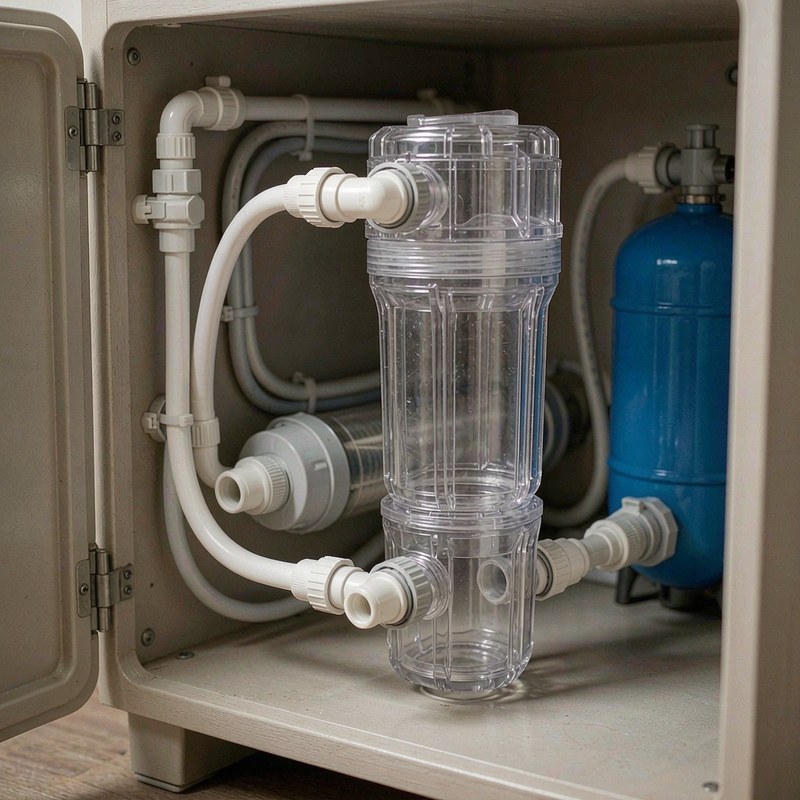
The closest comparison is not another appliance category but a simpler under-sink RO system. The Frizzlife’s distinguishing pitch is its tankless format, stated 1,000GPD capacity, nine stages, and 2:1 ratio. A buyer who draws drinking and cooking water often may find that combination compelling. Someone with lower demand may be better served by a less expensive system whose verified output and replacement-filter economics are easier to match to actual use.
A second alternative is a conventional tank-style RO system. It trades cabinet volume for stored water and may suit kitchens where a tank is acceptable and the buyer prioritizes a familiar configuration. For comparisons outside filtration, our Timekettle M3 translator earbuds review and Suntrok soundbar review show how product format shapes everyday use, while the Honeywell Sunturalux desk lamp review covers another home-improvement purchase. The broader reviews hub offers more categories; the relevant decision here is which setup fits your cabinet and water needs.
| Option | Price | Key spec | Who it suits |
| Frizzlife 1000GPD PD | $599.99 | Tankless; listed 1,000GPD; 2:1 pure-to-drain | Buyers seeking the listed high-capacity feature set |
| Lower-cost under-sink RO alternative | Varies by model | Compare documented output, stages, and filter availability | Households prioritizing upfront cost and basic RO |
| Tank-style under-sink RO alternative | Varies by model | Uses a storage tank; capacity and ratio depend on model | Kitchens with cabinet room and preference for stored water |
Hands-on: planning the under-sink installation
The most useful way to evaluate this model before ordering is to treat the cabinet as part of the product. Empty the area under the sink and identify the existing drain, shutoff valve, disposal, and any pull-out bins. Then compare the unit’s installation dimensions and required clearances in the manufacturer’s current manual. The product name tells us the format is tankless and under-sink; it does not tell us whether your cabinet has enough usable width or whether the filter housings can be reached once installed.
Next, map the water path. An RO installation needs a feed connection, a way to route wastewater to the drain, and a dispensing point for treated water. The details depend on the kit and sink, so do not assume that every faucet or drain arrangement is compatible. If the home has unusual plumbing, a disposal configuration that crowds the drain, or no suitable faucet opening, check those conditions before purchase. A plumber can confirm whether an adapter or separate faucet work is needed.
The advertised 2:1 pure-to-drain ratio is a potentially useful comparison, but the ratio should be read with its test conditions. Feed-water pressure, temperature, and mineral content can affect RO operation. Ask the manufacturer for the applicable conditions and make sure the installation can meet the required pressure. The 1,000GPD rating should receive the same scrutiny: a rated capacity is not the same thing as a promise that your kitchen will dispense at that rate in ordinary use.
Ongoing ownership is the other part of installation. Before committing, find the replacement elements for this exact model, note the stated replacement intervals, and check current availability and cost. Nine stages may sound comprehensive, but the useful question is whether each cartridge is understandable and replaceable without dismantling the plumbing. Keep the manual and record the install date so that maintenance is based on the manufacturer’s schedule and household use rather than guesswork.
For water quality, start with the concern you are trying to address. The title references several NSF/ANSI standards, but a standard number is not a blanket guarantee for every contaminant. Read the certification listing or performance data for the exact model and target substance. If your concern is a local water issue, use a reliable water report or appropriate test to determine what treatment is needed. The listing’s 4.6/5 score from 2,487 ratings tells us many shoppers have rated the product; it does not verify a particular reduction claim or predict the result in your home.
| Planning check | What to confirm |
| Cabinet fit | Unit dimensions, filter access, and clearance around existing items |
| Water supply | Feed connection and pressure requirements in the manual |
| Drain route | Compatibility with the sink drain and disposal arrangement |
| Faucet | Whether there is a suitable opening or additional work is needed |
| Ownership cost | Exact replacement filters, schedule, and current availability |
That checklist matters more than a generic promise of convenience. A neatly planned installation makes a tankless system feel integrated; a cramped cabinet can turn routine filter service into a frustrating chore. If the layout and replacement parts check out, the feature set is easier to appreciate. If either is uncertain, a less elaborate system may be the more rational purchase.
Who should buy it
Buy it if you want an under-sink, tankless RO system, have cabinet and plumbing space for a permanent installation, and value the listed 1,000GPD capacity, nine-stage format, alkaline mineral feature, and 2:1 ratio enough to consider a $599.99 purchase. You should also be willing to verify the standards and replacement-filter details for the exact model.
Skip it if you want a simple, inexpensive drinking-water filter, cannot confirm under-sink fit, or expect the product title’s capacity and standards to guarantee a specific result at home. A lower-cost RO unit or a system with documentation better matched to your water concern could be a better use of the budget.
FAQ
Does the Frizzlife 1000GPD PD need a storage tank?
It is described as a tankless under-sink RO system, so its format is intended to avoid a conventional storage tank. Confirm the installation requirements and dispensing setup in the current manual before ordering.
What does the listed 2:1 pure-to-drain ratio mean?
It describes a stated relationship between purified water and water sent to the drain under the manufacturer’s conditions. Actual results can vary with feed-water and installation conditions, so review the conditions behind the claim.
Are all NSF/ANSI standards in the product title relevant to every contaminant?
No. Standards and certifications have defined scopes, and a general reference does not establish reduction for every substance. Check the exact model’s documentation for the contaminant and claim that matter to you.
How much does the Frizzlife 1000GPD reverse-osmosis system cost?
The supplied listing price is $599.99, and its Amazon listing shows 4.6 out of 5 from 2,487 ratings. Retail pricing can change, and replacement-filter costs should be included in the ownership decision.
Where to buy
Update log
October 22, 2026 — Published with the listed price and rating details available at review time.

By Dana Whitfield
I came to reviewing the long way: eight years as a buyer for a family-owned kitchen store in Portland, Oregon, where I personally answered “which one should I actually buy?” a few hundred times a week. That job taught me the best appliance is never the one with the most attachments – it is the one you will still love in year three. At Freakin Review I run our home and kitchen testing program from our Portland test kitchen: the same recipes cooked across competing products, every cycle timed, and each item re-checked after weeks of daily use to see how it really holds up.