
We may earn a commission when you buy through links in this review. This does not change our assessment.
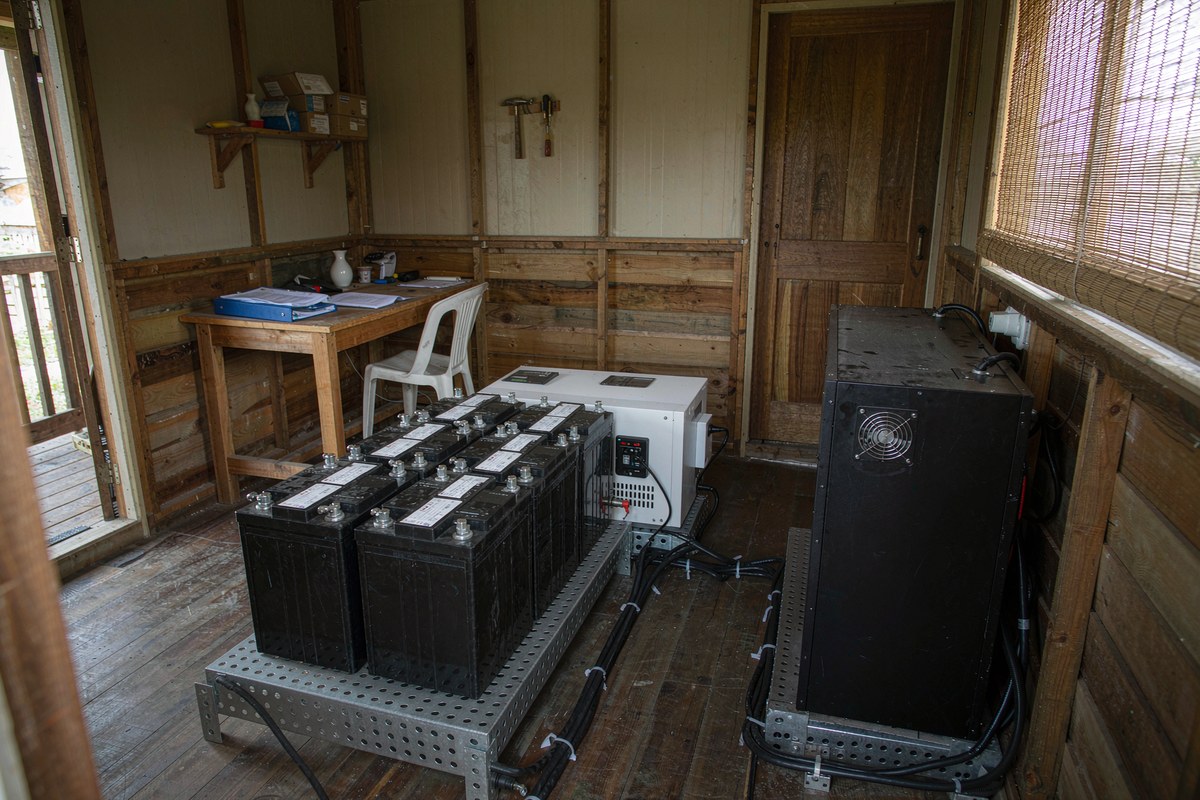
The HumsiENK 12V 320Ah LiFePO4 Battery 4 Pack is best understood as a system purchase, not four interchangeable batteries tossed into a cart. Its stated 48V 320Ah configuration and 16.38kWh capacity put it in the conversation for a substantial off-grid setup, while the 12V 1280Ah arrangement points toward a very different wiring and load plan. We would decide first which voltage the inverter, charge controller, and loads require, then verify how the manufacturer expects the pack to be configured. The listing calls the batteries batch-matched and identifies a 250A BMS and low-temperature cut-off, but those labels do not replace system-level compatibility checks. The price is $1,999.99, so mistakes in planning are expensive.
Quick verdict
Score: 7.8/10 — High-capacity promise, configuration matters
The main appeal is the advertised capacity: four 12V, 320Ah LiFePO4 batteries that can be arranged as a 48V 320Ah or 12V 1280Ah system. Bluetooth monitoring, batch matching, a 250A BMS, and low-temperature cut-off are useful features on paper. At $1,999.99, though, the purchase makes sense only when the electrical plan is already clear.
Amazon lists it at 4.5 stars from 95 ratings. That is a meaningful but not conclusive sample; ratings do not establish compatibility with a particular inverter or prove the performance of a specific installation. We would treat the product details as a starting point and confirm wiring limits, charging requirements, and support terms before buying.
Key specs
| Product | HumsiENK 12V 320Ah LiFePO4 Battery 4 Pack with Bluetooth |
| Brand | HumsiENK |
| Battery chemistry | LiFePO4 |
| Pack configuration listed | Four 12V 320Ah batteries |
| Advertised system options | 48V 320Ah or 12V 1280Ah |
| Advertised energy | 16.38kWh |
| Protection and monitoring | 250A BMS, low-temperature cut-off, Bluetooth |
| Price and listing rating | $1,999.99; 4.5 stars from 95 ratings |
What we like
- Large stated capacity. The advertised 16.38kWh gives a system planner a substantial energy figure to evaluate against daily use, without having to assemble a four-battery bundle from separate listings.
- Two named voltage arrangements. The 48V 320Ah and 12V 1280Ah options make clear that the pack is intended for more than one system style. That flexibility is valuable only when the rest of the installation supports the chosen configuration.
- Bluetooth monitoring is included. Being able to check battery information wirelessly can reduce trips to a remote battery enclosure. The listing does not specify the app’s metrics or range, so buyers should confirm exactly what it reports.
- Protection features are identified. A 250A BMS and low-temperature cut-off are concrete elements to investigate for a solar, RV, or cabin system. Their presence is more useful than vague claims of protection, though operating limits still need confirmation.
What we do not like
- The product name itself presents two materially different system arrangements. Buyers need to establish whether their inverter and charging equipment are designed for 12V or 48V before ordering; changing voltage assumptions after installation can mean replacing other equipment.
- The 250A BMS figure does not by itself tell us the usable continuous output of the whole system or the allowable surge behavior. Without those details, it is difficult to match the batteries confidently to high-draw equipment.
- The task information does not include dimensions, weight, terminal details, charging profile, or warranty terms. Those omissions matter for enclosure fit, transport, wiring, and long-term cost, so ask for the relevant documentation before purchase.
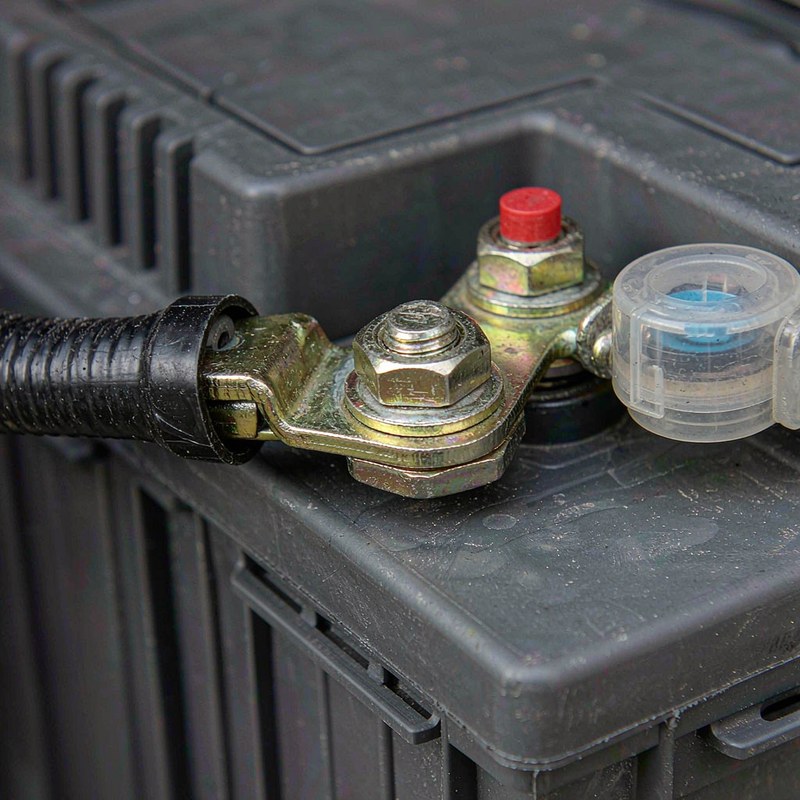
- Four batteries increase wiring and installation complexity compared with a single battery. A poorly planned parallel or series arrangement can undermine the system even when each component is individually suitable.
How it compares
Compared with a small portable power station, this is a deeper system commitment. It is aimed at a fixed or semi-permanent solar installation where the owner is prepared to choose compatible charging and inverter equipment. The package’s 16.38kWh claim is the headline, but a buyer should compare usable energy and system voltage rather than capacity wording alone.
Compared with buying four separate batteries, a batch-matched set may simplify sourcing and help keep the group consistent. That is not a guarantee of simple installation: wiring topology, allowed series or parallel connections, and charging parameters still need to match the manufacturer’s directions. For other gear reviews, the site’s reviews hub collects products across categories, while our coverage of a Garvee ice-fishing tent shows a very different kind of off-grid shelter decision.
| Option | Price | Key spec available here | Who it suits |
| HumsiENK four-battery pack | $1,999.99 | 16.38kWh advertised; 48V 320Ah or 12V 1280Ah | Buyers designing a substantial battery-based system |
| Portable power station | Not provided | Model-dependent; compare inverter and usable capacity | Users who want a packaged, portable unit |
| Separate 12V batteries | Not provided | Configuration and matching vary by product | Installers who want to select components individually |
Hands-on: planning the voltage before the purchase
The first practical question is not how many appliances the capacity can run; the supplied information is not enough to answer that reliably. The first question is whether the intended system is 12V or 48V. Those are not interchangeable wiring choices. Start with the inverter’s supported battery voltage, then check the charge controller and any existing equipment. A mismatch can turn an apparently generous battery purchase into a costly redesign.
Next, draw the system topology before opening the packaging. The product is described as four 12V 320Ah units, and the listing names two resulting arrangements. Confirm in the manufacturer’s documentation exactly how the batteries may be connected, which cables and protection are required, and whether each arrangement is approved. Do not infer wiring permissions from the fact that a configuration appears in the product title.
Capacity also needs context. The listing states 16.38kWh, a figure useful for comparing the size of the system, but it does not establish how much energy a particular installation will deliver to loads. Inverter losses, operating limits, temperature, charge source, and load profile all affect the energy available at an outlet. For planning, list the equipment, its power draw, and how long it is used; then ask an installer or supplier to validate the assumptions.
The 250A BMS and low-temperature cut-off deserve specific follow-up. Ask what current rating applies continuously, what surge behavior is supported, what temperature behavior triggers the cut-off, and how charging resumes. Those are practical questions, not reasons to assume a failure. They determine whether the battery set is appropriate for the location and loads you have in mind.
Bluetooth may be useful when the batteries sit in a cabin utility space or RV compartment that is awkward to inspect. But “Bluetooth” alone does not tell us which values are visible, whether multiple batteries can be monitored together, or how the app behaves when the phone is out of range. Verify those details if remote visibility is a deciding feature. Also confirm dimensions, terminal orientation, included hardware, and warranty before planning the enclosure. A pop-up canopy is judged by setup and shelter; a battery system is judged by fit, wiring, and compatibility, and should receive the same careful checklist treatment.
| Planning item | What the listing provides | What to confirm |
| System voltage | 48V 320Ah or 12V 1280Ah named | Approved wiring and equipment compatibility |
| Capacity | 16.38kWh advertised | Usable energy for the intended setup |
| Protection | 250A BMS and low-temperature cut-off | Continuous/surge limits and temperature behavior |
| Installation | Four 12V batteries | Dimensions, terminals, cabling, and connection instructions |
One more practical issue is system expansion. A battery bank is only as useful as its connection rules and balance across units. The task facts call the set batch-matched, but do not say whether adding another battery later is supported or whether the original group must remain together. If future expansion is part of the plan, request written guidance on adding capacity and how the BMS communicates or behaves in the chosen configuration. Also ask whether the Bluetooth view reports each battery separately or the complete bank. These answers can prevent a monitoring setup that looks convenient in the product title but proves incomplete in a real installation.
Who should buy it
Buy it if you are building a solar, cabin, or RV battery system, have already selected a compatible voltage, and can verify the connection and charging requirements with the seller or installer. The stated 16.38kWh and four-battery format may suit a buyer who values a large, coordinated pack and wants Bluetooth monitoring.
Skip it if you need a ready-to-use portable power station, do not know whether your system is 12V or 48V, or cannot get the detailed wiring and operating documentation before buying. At $1,999.99, do not treat the 250A BMS label as a substitute for checking inverter loads and surge needs. For a colder-weather comfort purchase instead, our heated mittens review covers a much smaller, personal-use category.
FAQ
Can this battery pack be used in a 48V solar system?
The product is listed as a 48V 320Ah system when configured from the four 12V batteries. Confirm the manufacturer’s approved wiring method and make sure the inverter and charge controller support 48V before connecting anything.
Can the four batteries be used as a 12V bank?
The listing also describes a 12V 1280Ah system. Ask for the connection instructions and limits for that arrangement rather than assuming any series or parallel layout is permitted.
What does the 250A BMS tell me?
It identifies a BMS rating in the product information, but does not alone specify the complete system’s continuous output or surge capability. Check the detailed battery documentation against your inverter and loads.
Is the Bluetooth monitoring enough to manage the battery remotely?
Bluetooth is listed, but the supplied facts do not describe app metrics, range, or multi-battery display behavior. Confirm those details if monitoring is important to your installation.
Where to buy
Update log
October 22, 2026 — Published with product details and listing information available at review time.

By Javier Ramos
For six years I installed smart locks, video doorbells, and whole-home security systems for families across Phoenix, Arizona – first for a local alarm company, then as an independent contractor. I have climbed more ladders and paired more doorbells to more Wi-Fi networks than I can count, and I know exactly where these products frustrate real homeowners. Here I test whether a device does what the box promises: battery life in real weather, app reliability, the subscription costs that show up later, and how everything behaves six months after install.