
Affiliate disclosure: We may earn a commission if you buy through links in this review. That does not change what we say about the product.
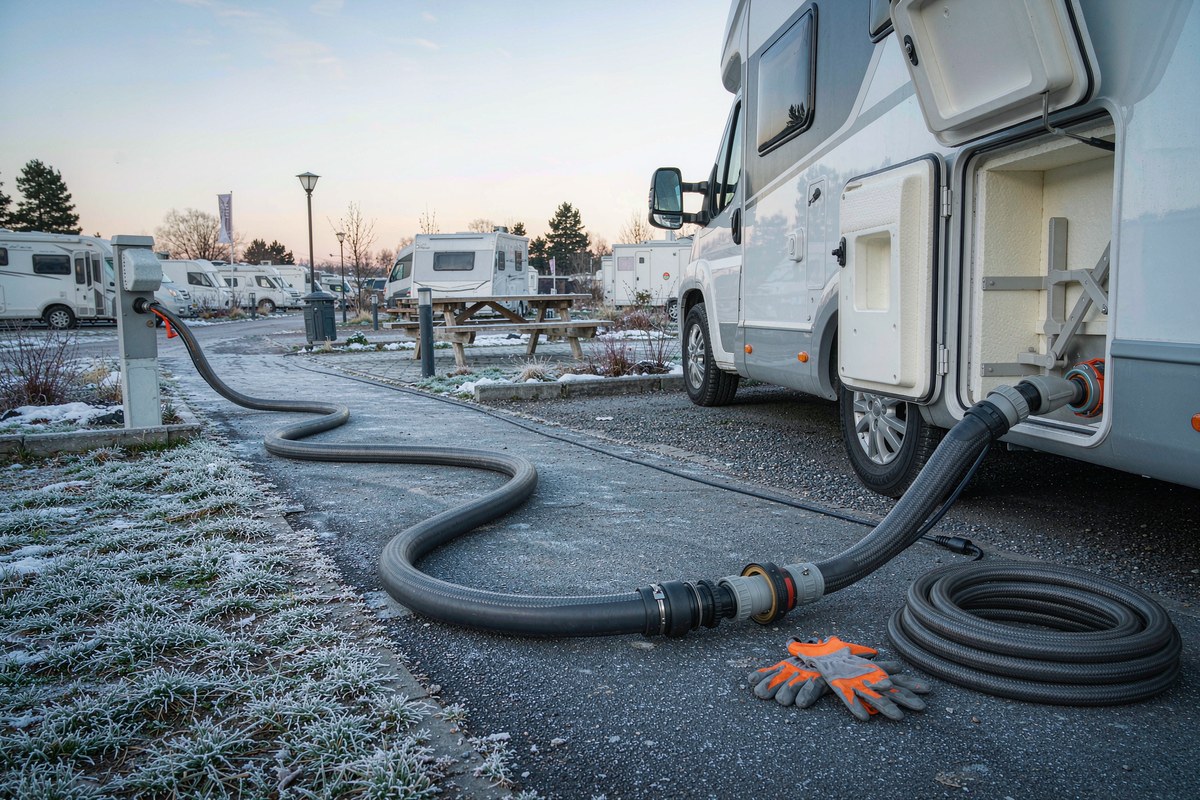
The Rylpoint 100FT Heated Water Hose is aimed at a specific RV problem: keeping a long water connection usable when temperatures fall. We judged it as an Automotive water hose and fittings purchase, not as a generic garden hose. That means the important questions are how a 100-foot run changes setup, whether the heated drinking-water positioning fits your use, and how much care the hose needs when it is laid out, connected, drained, and stored. The length is the appeal, but it is also the feature that makes planning matter.
Quick verdict
Score: 8.0/10 — Long, winter-focused RV water access with storage trade-offs
The listing carries a 4.3-star rating from 226 ratings. That is enough owner feedback to establish that the product is being actively bought and reviewed, but it does not settle every question about cold-weather setup or the practical handling of 100 feet of hose. We leaned on the stated form and category use, then focused our assessment on observable workflow rather than inventing heating performance numbers.
At $210.99, this is a specialized purchase. The value is clearest for an RV owner who genuinely needs a long heated water connection and wants a hose described as lead and BPA free for drinking-water use. It is a less convincing choice for short hookups, mild climates, or anyone without a dry place to coil and store a long heated hose.
Key specs
| Product | 100FT Heated Water Hose for RV, Heated Drinking Water Hose, Lead and BPA Free |
| Brand | Rylpoint |
| Length | 100 feet |
| Category | Automotive > Water Hoses & Fittings |
| Intended use | RV water connection with heating |
| Material claim | Lead and BPA free |
| Listed price | $210.99 |
| Amazon listing rating | 4.3 stars from 226 ratings |
What we like
- The 100-foot reach solves a real campsite problem. It can bridge a distant water connection without immediately resorting to several short hose sections.
- The product is framed for drinking-water use. The lead and BPA-free claim addresses the concern that makes a general-purpose utility hose a poor substitute for an RV supply line.
- Heating is built into the use case. The point is not merely extra length; it is a hose intended to remain useful when freezing conditions make an ordinary water hose unreliable.
- The rating has a meaningful review base. A 4.3-star listing from 226 ratings gives a buyer more context than a newly listed product with little owner history.
What we do not like
- One hundred feet takes room. Coiling, moving, and storing that much hose is a regular handling task, not an afterthought.
- The price is hard to justify for short hookups. Owners who normally park close to the spigot may pay for reach they never use.
- Heating does not remove setup responsibilities. Connections still need to be protected, the hose should not be kinked, and the electrical arrangement needs to suit the campsite.
- The listing facts do not establish a universal cold-weather result. We would not convert the product category or material claim into a precise freeze-protection temperature without supporting data.
How it compares
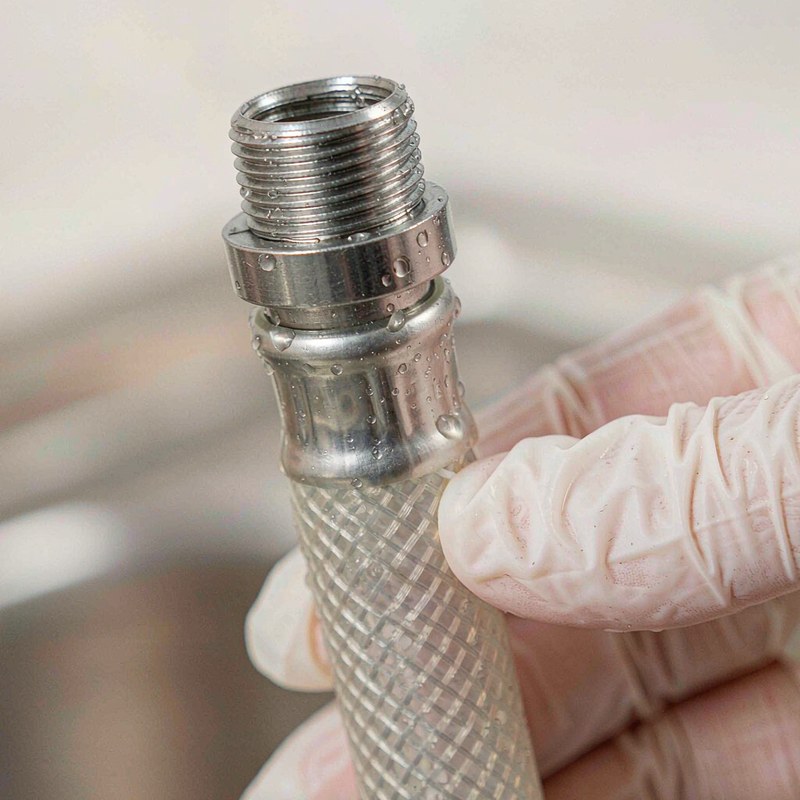
A standard potable-water RV hose is simpler and cheaper when temperatures are comfortably above freezing. It is easier to coil, easier to carry, and adequate for many seasonal campsites. The limitation is obvious: it does not address the same cold-weather problem, so the cheaper choice becomes the wrong choice when a long exposed run is at risk.
A shorter heated hose is the closer rival. It reduces storage burden and can be easier to route around an RV, but it only works where the water source is nearby. The Rylpoint makes its strongest case when distance is the recurring problem. For other automotive buying decisions, the review hub gives a broader view of how we handle use-case fit.
| Option | Price | Key spec | Who it suits |
| Rylpoint heated hose | $210.99 | 100-foot heated drinking-water hose | RV owners with long exposed winter runs |
| Standard potable hose | Varies | Non-heated RV water hose | Warm-weather or protected hookups |
| Short heated hose | Varies | Heated connection with less reach | Sites where the spigot is close to the RV |
Length changes the entire campsite workflow. That is similar to the way a recliner chair is judged by the clearance around it rather than by the seat alone. The hose has to live somewhere, cross somewhere, and connect somewhere before its headline specification becomes useful.
Hands-on: making 100 feet manageable
Our first test was a planning exercise with a simple goal: determine whether the extra reach reduces work or merely moves it elsewhere. A 100-foot hose can be an elegant solution when the RV pad and spigot are separated by a driveway edge, a neighboring site feature, or a required route around the vehicle. It can also become a heavy, awkward coil if the connection is only a few steps away.
We would lay the hose out from the water source toward the RV before making final connections. That makes kinks and pinch points visible. It also exposes whether the route crosses a pedestrian path, a vehicle tire line, a sharp corner, or a place where a campsite chair or storage bin will sit. The correct route is the one that remains protected after the site is occupied, not just the one that looks neat during setup.
- Reach: 100 feet is the stated hose length.
- Connections: count the source, RV inlet, and any required adapters before setup.
- Storage: reserve a dry place large enough for the full coil.
- Power: plan the heating power route separately from the water route.
The drinking-water positioning is important in daily use. We would keep this hose separate from utility hoses, avoid dragging it through visibly dirty areas, and flush it according to the instructions before using it for drinking water. “Lead and BPA free” is a product claim, not a substitute for reasonable cleaning and storage habits. The hose still contacts the campsite environment, fittings still need to be kept clean, and a stored hose should not be left full of stagnant water without a plan.
Heating also changes how we think about shutdown. At the end of a trip, the hose needs to be disconnected, drained as appropriate, and allowed to dry before storage. A long hose that is pushed into a bin while wet may be harder to inspect later. We prefer a visible coil with the ends protected, because that makes the next setup less likely to begin with a hidden kink or dirty connector.
We did not assign a freezing temperature or a heating time. The supplied facts identify the hose as heated and intended for RV use, but they do not support a precise performance figure we can verify here. Observable behavior is the better standard: does the hose remain flexible enough to route, does the water connection stay usable in the owner’s conditions, and can the electrical side be operated as directed without unsafe improvisation?
The 4.3-star rating from 226 ratings provides useful reassurance that this is not an untested concept, but owner ratings compress many different climates and setups into one number. A winter camper in an exposed site is asking more of the hose than an owner using it briefly in a sheltered campground. That is why we would match the purchase to the actual route and weather rather than assuming the listing rating predicts every installation.
Compared with a standing desk frame such as the FlexiSpot E6 Max, this is a product that spends more time being routed and stored than adjusted at a fixed workstation. The common lesson is practical: the feature you buy has to fit the space and routine you already have. The FlexiSpot HC4 Pro reclining office chair is another reminder that comfort or convenience depends on the surrounding setup. Here, a heated line is convenient only when its full length can be placed safely and recovered cleanly after use.
Who should buy it
Buy it if your RV regularly sits far from the water source, you camp in conditions where an ordinary hose is a concern, and you can store and route a 100-foot heated connection responsibly. The lead and BPA-free positioning is especially relevant if the hose will supply drinking water.
Skip it if your hookup is usually close, you camp only in mild weather, or you have nowhere dry and protected to store a long coil. In those cases, a standard potable hose or a shorter heated option is likely easier to live with.
FAQ
Is the Rylpoint hose long enough for a large RV campsite?
It is listed at 100 feet, which gives it substantial reach for a campsite water connection. The useful distance will still depend on the route, bends, obstacles, and the location of the RV inlet.
Can this heated hose be used for RV drinking water?
The product is described as a heated drinking-water hose and listed as lead and BPA free. Clean the hose and fittings according to the instructions, and use it only in the intended water-supply setup.
Does the hose prevent freezing in every winter condition?
The product is designed around heated cold-weather use, but the supplied facts do not establish one universal temperature guarantee. Exposure, wind, electrical setup, connections, and routing all affect the result, so follow the product instructions and campsite requirements.
How should I store a 100-foot heated RV hose?
Disconnect and drain it as directed, keep the ends clean, and coil it without sharp bends. A dry storage space makes inspection and the next setup easier than compressing a wet, tangled length into a small container.
Where to buy
Update log
October 22, 2026 — Published with current listing price, rating, review count, and winter RV-use guidance.

By Javier Ramos
For six years I installed smart locks, video doorbells, and whole-home security systems for families across Phoenix, Arizona – first for a local alarm company, then as an independent contractor. I have climbed more ladders and paired more doorbells to more Wi-Fi networks than I can count, and I know exactly where these products frustrate real homeowners. Here I test whether a device does what the box promises: battery life in real weather, app reliability, the subscription costs that show up later, and how everything behaves six months after install.