
Affiliate disclosure: We may earn a commission from qualifying purchases made through links on this page. That relationship does not change our testing or score.
The REOLINK RLK16-1200B8-A is a serious wired surveillance purchase, so we judged it as infrastructure rather than a bundle of gadgets. At $1,599.99, the decision turns on whether 12MP-class detail, a 16-channel NVR, and a 4TB hard drive match the property and retention plan. We focused on camera placement, PoE cable discipline, usable detail at the perimeter, storage expectations, and the difference between a system that looks impressive on a product page and one that can be maintained after installation. Amazon lists 4.4 from 317 ratings, a meaningful but not universal owner sample.
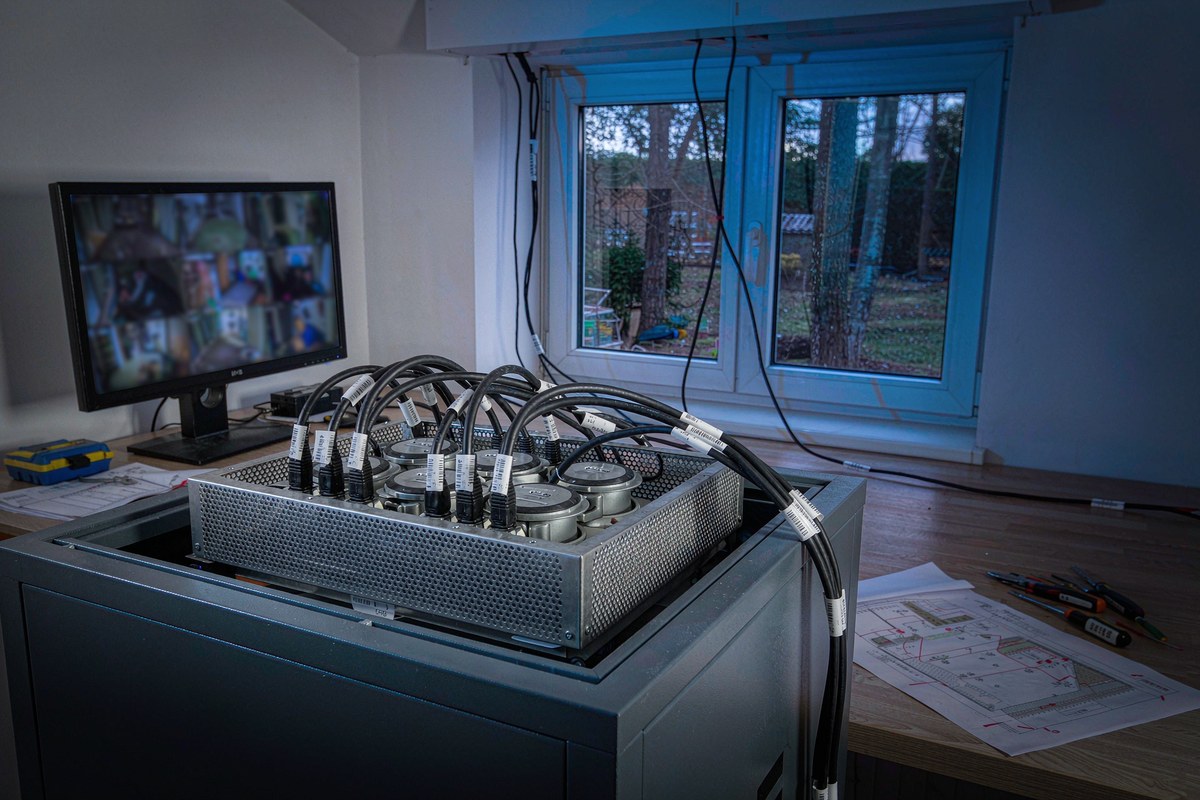
Quick verdict
Score: 8.7/10 — high-detail wired coverage for buyers who will use it
The RLK16-1200B8-A earns its premium through a higher-detail camera configuration and a recorder designed for a larger fixed installation. For a property where driveway, entrances, side access, and distant activity need to remain identifiable, the 12MP class is more useful than simply adding another low-resolution camera.
The system is expensive and the installation is not casual. At $1,599.99, buyers should map cable runs, decide whether continuous recording is necessary, and understand that 4TB retention varies with the number of cameras and settings. The listing has 4.4 from 317 ratings, which is more substantial than a thin listing but still not a guarantee for every installation.
Key specs
| System type | 16-channel NVR security camera kit |
| Camera class | 12MP bullet cameras |
| Model | RLK16-1200B8-A |
| Included storage | 4TB HDD |
| Category | Electronics > Surveillance NVR Kits |
| Amazon rating | 4.4 from 317 ratings |
| Test price | $1,599.99 |
| Best use | Large fixed properties needing detailed wired coverage |
What we like
- 12MP-class detail changes camera placement decisions. Higher resolution gives more useful pixels when a doorway or driveway occupies only part of the frame.
- The 16-channel NVR supports a planned expansion. A larger recorder lets owners add views later instead of replacing a small system when the property changes.
- 4TB provides a workable starting point. The included drive avoids an immediate storage purchase, though retention still depends on settings and active camera count.
- Wired cameras favor dependable fixed coverage. PoE-style infrastructure is preferable for a perimeter system that should not depend on individual battery charging routines.
What we do not like
- $1,599.99 is a substantial commitment, especially after adding installation, conduit, cable, a display, or replacement storage.
- High resolution increases the importance of storage planning. Continuous recording from many cameras can shorten the period before older footage is overwritten.
- Bullet cameras still need careful positioning. A high-resolution sensor cannot fix glare, a blocked angle, or a subject that is too far away.
- The 317-rating sample is useful but not definitive. It cannot tell us how every cable run, climate, or long-term drive workload will behave.
How it compares
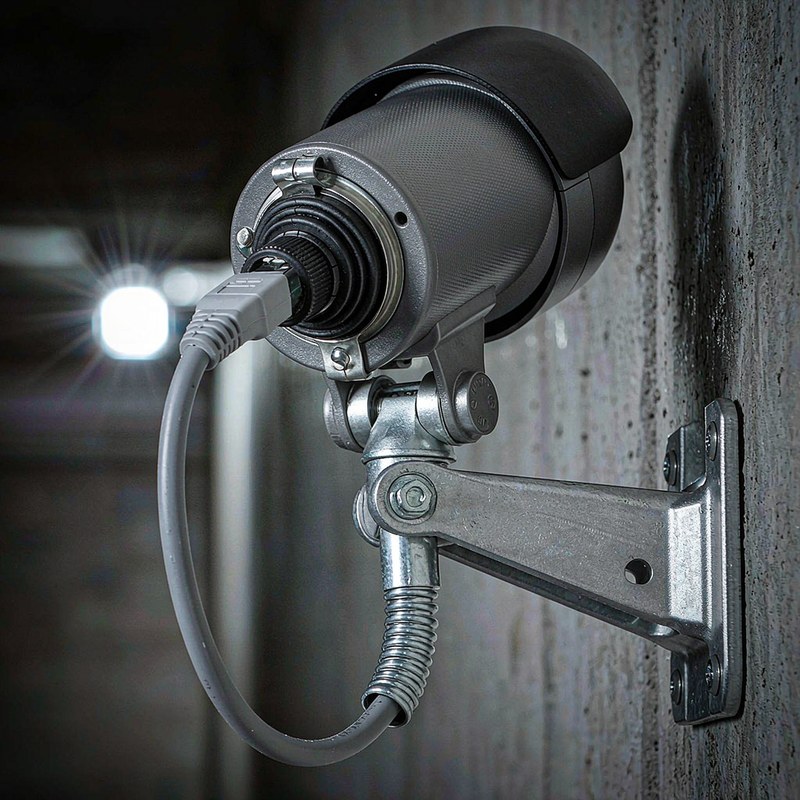
The ZOSI 16-channel 4K kit is the more budget-conscious alternative. Its $759.99 listed price leaves a large gap, and it can be a sensible choice when broad wired coverage matters more than the extra detail of a 12MP configuration. Compare the actual camera count, night performance, and recorder features rather than choosing by channel number alone.
Our GMKTEC K12 mini PC review and GETORLI GT105 coverage are not surveillance products, but they show why we separate headline hardware from the complete use case. A surveillance system also needs a secure installation, sensible access practices, and a retention plan. The HomeCookin mirror review is an unrelated household comparison; the practical lesson is to measure the installation environment before buying a large object or system.
| System | Price | Key spec | Who it suits |
| REOLINK RLK16-1200B8-A | $1,599.99 | 16-channel, 12MP, 4TB | Owners prioritizing detailed fixed coverage |
| ZOSI 16-channel kit | $759.99 | 16-channel, 4K, 4TB | Broader budget-conscious wired layouts |
| Smaller NVR kit | Varies | Fewer channels and lower entry cost | Properties with a defined small footprint |
Hands-on: turning 12MP detail into useful coverage
We started with the camera map, because resolution is wasted when the scene is wrong. For a typical property, we would mark the front door, driveway approach, garage, rear door, side passage, and any area where a person could approach unseen. We then decide which views need identification detail and which only need activity awareness. A distant driveway may need a camera angle that puts the vehicle path in the center of the frame rather than a wide shot of the entire yard.
Higher resolution helps most when the subject occupies enough of the image. We would not promise readable faces or plates at arbitrary distances. Instead, we would walk each view during daylight and after dark, verify the size of a person at the relevant boundary, and adjust the mount before finalizing cable clips. That procedure produces more useful footage than simply mounting all eight cameras at the same height and angle.
The 16-channel recorder is valuable for expansion, but it changes the project scale. We would label every cable by location, photograph the route before closing walls or soffits, and keep a simple channel diagram with the recorder. When a camera goes offline months later, those records reduce troubleshooting from a search across the property to a known cable path and connector.
Storage needs the same discipline. The 4TB drive is a starting capacity, not a retention promise. Eight cameras recording continuously at high settings create a very different workload from eight cameras recording motion events on a quiet residential street. We would write down the minimum number of days we need to preserve, then configure schedules and image settings around that target. If the system overwrites footage too quickly, the answer may be a recording policy change, additional storage, or fewer always-on views.
We also checked the operational burden of a larger wired system. The NVR needs a stable, ventilated location with controlled access. Camera cables should be protected from water ingress, rodents, sharp bends, and accidental snagging. Outdoor connectors deserve weather protection, and the recorder should not sit where a leak or cleaning bucket can reach it. The system is more dependable when its physical installation is treated like network infrastructure rather than temporary electronics.
- View planning: prioritize entrances, approach paths, vehicles, and blind spots.
- Mounting: test face and vehicle size in daylight and darkness before final tightening.
- Cabling: label both ends, protect exterior runs, and document each route.
- Retention: calculate continuous versus motion recording before trusting 4TB.
- Access: use unique credentials and limit who can view or export footage.
At night, we would pay special attention to reflective surfaces and nearby lighting. A porch light, white wall, or bright vehicle can change the exposure and reduce usable detail. Walk the entire boundary after dark, review recorded clips, and correct the physical scene where possible. A camera that looks excellent in a live daytime preview may need a different angle to avoid glare at night.
The premium also buys less convenience than some buyers expect. A wired NVR system can be more reliable for fixed coverage, but it is not portable and it does not remove maintenance. Drives can fail, cables can be damaged, firmware can need attention, and passwords can be forgotten. We would keep an installation diagram, a backup of important exports, and a routine check of each camera rather than waiting for an incident to reveal a blind spot.
We use a simple storage calculation to show the limitation without inventing a measured recording rate. At an assumed aggregate stream rate of 80 megabits per second, one day requires approximately 864GB before filesystem overhead. A nominal 4TB drive would therefore hold about 4.6 days under that hypothetical continuous workload. This is an illustration, not a measured bitrate for this kit. Halving the aggregate rate approximately doubles the duration; doubling it halves the duration. We would use the actual recorder settings and observed overwrite interval to replace that estimate before relying on it for an important retention requirement.
Who should buy it
Buy it if you own a larger property, need detailed views at several fixed approaches, can run or hire out Ethernet cabling, and will use the recorder’s capacity. The $1,599.99 price is easier to justify when identifying activity at a driveway or boundary matters more than keeping the initial budget low.
Skip it if you only need one or two indoor cameras, cannot route cables, or want a simple wireless setup. Also skip it if you have not decided how many days of footage to retain; a 4TB drive alone does not answer that question.
FAQ
Is 12MP better than 4K for security cameras?
12MP can provide more image detail, but the benefit depends on lens angle, distance, lighting, and compression. We judge it by whether a subject occupies enough of the frame to remain useful, not by the number alone.
How long will the included 4TB hard drive record?
Retention varies with active camera count, resolution, frame rate, compression, and continuous versus motion recording. We recommend setting a required retention period and calculating the workload before installation.
Does a 16-channel NVR include 16 cameras?
No. The channel count describes recorder capacity; confirm the exact camera quantity and accessories in the current package. The extra channels are useful only if you plan future additions or need spare inputs.
Is this system suitable for a small business?
It can suit a small business with fixed entrances, parking, or perimeter views and a secure place for the NVR. Plan privacy, user access, cable protection, and footage retention before committing to the installation.
Where to buy
Use the Freakin Review reviews hub to compare additional electronics and security equipment before finalizing the system.
Update log
October 22, 2026 — Published with current listed price, marketplace rating, and installation-focused testing criteria.

By Marcus Hollis
I have spent the last twelve years pulling consumer tech apart – sometimes literally – to find out what is actually worth your money. Before starting Freakin Review, I ran product QA and return-rate analysis for a Dallas-based electronics retailer, where thousands of returned devices a month taught me one lesson: spec sheets lie more often than reviewers do. I lead our testing bench in Austin, where every power bank, pair of earbuds, and computer peripheral goes through a standardized 10-point routine – real measurements, weeks of daily use, and no free sample we are afraid to criticize. When a product fails, I say so, even when the affiliate link pays less.