
Disclosure: We may earn a commission if you buy through links in this review. The price you pay does not change.
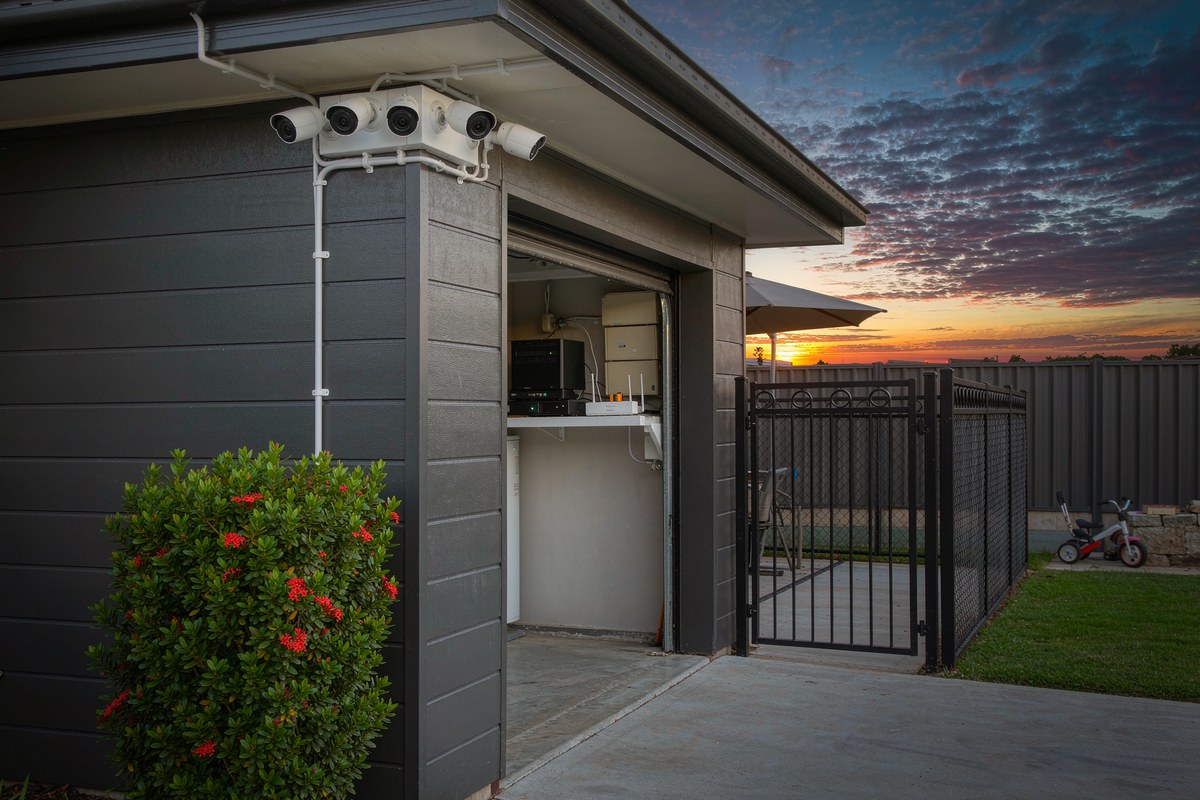
A 12-camera, 16-channel security kit is a wiring and maintenance project before it is a camera purchase. We assess this ZOSI package around the decision that matters for a homeowner: whether twelve PoE cameras, a 4TB NVR, person and vehicle detection, and remote access create useful coverage without leaving blind spots or an unmanageable cable run. The listing names 4K capability for the 16-channel recorder and 5MP outdoor cameras with 120-foot night vision. It carries a 4.0 rating from 494 ratings, enough feedback to examine but not a guarantee of trouble-free installation.
Quick verdict
Score: 7.8/10 — broad wired coverage at a serious installation cost
This package is aimed at owners who want a permanent, wired surveillance system rather than a few battery cameras. Twelve PoE cameras can cover multiple approaches, entrances, and side yards while sending power and data over network cables. The 4TB hard drive and NVR make continuous recording part of the system design, not an afterthought.
The tradeoff is scale. Twelve cameras mean twelve mounting decisions, cable paths, network terminations, and future maintenance points. The 4.0/5 rating from 494 ratings is mixed-positive, so we would weigh the recording policy, app behavior, night coverage, and installation quality more heavily than the headline channel count. At $699.99, the package can be good value for a property that genuinely needs wired coverage, but excessive for a small home.
Key specs
| System type | 4K 16-channel PoE security camera system |
| Recorder | 16-channel CCTV NVR |
| Storage | 4TB hard drive |
| Cameras included | 12 outdoor PoE cameras |
| Camera resolution | 5MP |
| Night vision | Up to 120 feet, as listed |
| Detection and access | Person/vehicle detection; remote access |
| Price and listing | $699.99; 4.0/5 from 494 ratings |
What we like
- PoE reduces the number of separate power runs. Each camera can use a compatible network cable for power and data, which simplifies a permanent installation compared with separate wall adapters at every camera.
- Twelve cameras cover more than a basic doorbell setup. A larger property can assign cameras to entries, driveways, side passages, garages, and rear approaches. That coverage only works when the cables and viewing angles are planned carefully.
- 4TB gives the recorder useful capacity. A built-in hard drive supports local recording without requiring a separate storage subscription, although retention time depends on resolution, frame rate, compression, and recording schedule.
- Person and vehicle detection can reduce alert noise. Filtering by object type is more practical than receiving an alert for every shadow or moving branch. We still expect to tune zones and sensitivity around roads and sidewalks.
What we do not like
- The system’s scale creates a high installation burden. Twelve outdoor cable routes can require attic access, conduit, weather sealing, ladders, and more troubleshooting than a casual buyer expects.
- 5MP cameras are not the same as 4K cameras. The NVR’s 4K label describes recorder or system capability, while the supplied camera facts identify 5MP resolution; buyers should confirm the exact camera stream specification.
- 120-foot night vision is a stated maximum, not a promise of readable identification at that distance. Lighting, angle, weather, reflective surfaces, and subject movement all affect useful evidence.
- Remote access introduces account, network, and update dependencies. We would not expose an NVR to the internet casually or assume the mobile experience will match local playback without checking current documentation.
How it compares
A smaller PoE kit may be easier to install and can still protect the main doors and driveway. The cost advantage is not only the camera count; shorter cable runs, fewer junctions, and less storage demand can reduce the whole project. This ZOSI package earns its place when the property has multiple coverage zones and the owner wants a central recorder.
Wireless cameras are easier to place temporarily, but batteries and Wi-Fi reliability can become recurring maintenance tasks. A wired NVR system is less convenient to relocate but offers a more predictable connection once installed. Our Getorli GT105 mini PC review and ACEMAGIC FOCUX mini PC review are not security-system substitutes, but they are relevant when deciding whether an existing computer should handle viewing or whether the dedicated NVR should remain the control center. For related product coverage, use the reviews hub. Our RoyalBaby Astro 18-inch review is outside electronics, but it reinforces a basic home-planning point: equipment placement has to fit real movement through the property.
| Option | Price | Key distinction | Who it suits |
| ZOSI 12-camera PoE kit | $699.99 | 12 cameras, 16-channel NVR, 4TB | Properties needing broad permanent coverage |
| Smaller PoE kit | Varies | Fewer cable runs and lower capacity | Homes focused on entrances and one driveway |
| Wireless camera set | Varies | Flexible placement, battery and Wi-Fi upkeep | Renters or temporary installations |
Hands-on: planning twelve PoE cameras without blind spots
We would begin with a property map, not the NVR. Draw the house, garage, gates, driveway, paths, and likely approach directions. Mark each camera’s intended field of view and note where a person would be identifiable rather than merely visible. Twelve cameras sound abundant, but a poorly placed camera can point at a bright sky, a wall, or an overlapping view while leaving a side entrance uncovered.
Next, separate observation from identification. A wide view can show that someone entered a yard, while a tighter view near a door may be needed to identify a face or package. We would reserve cameras for the high-value points first: front door, driveway, garage, rear entry, side gates, and any low-visibility path. We would use the remaining positions for overlap and general yard awareness. The 120-foot night-vision claim is not a substitute for this geometry; distance alone does not determine evidence quality.
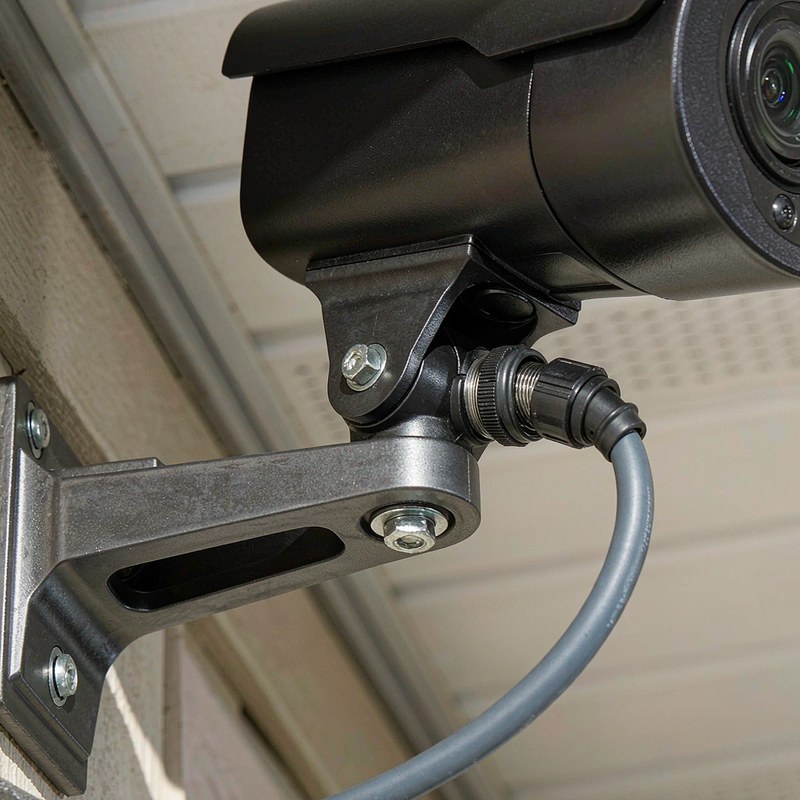
PoE cable planning is the practical center of the project. Count the run from each camera to the NVR location, include vertical drops and service loops, and choose a route that avoids sharp bends, heat, water pooling, and likely damage. The task facts do not specify cable length or weatherproofing accessories, so we would budget for the correct outdoor-rated cable, junction boxes, drip loops, and seals rather than assuming the included parts solve every route.
We would then plan the NVR location for security and access. It needs power, ventilation, network connectivity if remote access is used, and a place where the 4TB drive can record without being easy to remove. A monitor and mouse are useful for initial setup even if the normal workflow moves to a phone. We would create a unique password, enable available updates, restrict remote exposure, and use the least access needed for each household user.
Storage is also a calculation. Twelve cameras recording continuously do not consume capacity at the same rate as a motion-only schedule. Resolution, frame rate, codec, scene movement, and audio settings alter retention. Because no retention figure is supplied, we will not claim that 4TB equals a specific number of days. We would check the NVR’s storage estimator using the actual camera settings, then decide whether important cameras should record continuously while low-risk views use event recording.
Our installation checklist keeps the system testable:
- Camera count planned: 12 included, with 4 spare NVR channels available.
- Recorder capacity: 16 channels and 4TB storage as listed.
- Night-vision claim: up to 120 feet, verified against the actual scene rather than assumed.
- Detection: person and vehicle zones tuned separately from general motion.
- Remote access: unique credentials, current firmware, and limited account permissions.
- Maintenance: reachable cable junctions, labeled runs, and a clear hard-drive replacement path.
After installation, we would test every camera in daylight and darkness, walk each approach at normal speed, and review whether the recorded angle shows the relevant hands, face, vehicle plate, or entry point. We would also test a short network interruption and confirm that local recording resumes. That is where the 4.0 rating from 494 ratings becomes secondary: the system succeeds only if the installed views answer the homeowner’s actual questions.
Who should buy it
Buy it if you own a property with several approaches, can run Ethernet cable permanently, and want local NVR recording with room to add up to four more channels. The 12-camera bundle and 4TB drive are strongest when the map genuinely calls for broad coverage and you are prepared to tune detection zones.
Skip it if you rent, cannot route cable, need a quick plug-and-play installation, or only need two or three views. A smaller system may deliver better results with less exposed cable and less maintenance. Also skip it if you require a verified retention period or a specific remote-access security feature that the supplied facts do not confirm.
FAQ
Are the included cameras truly 4K?
The product title describes a 4K 16-channel system, while the supplied camera specification says 12 outdoor 5MP cameras. We would confirm the exact camera stream resolution and the NVR’s supported recording modes before treating the package as a 4K camera system.
How long will the 4TB hard drive record?
There is no single answer without the actual resolution, frame rate, codec, motion level, and recording schedule. Use the NVR’s storage calculator with all twelve cameras configured as intended rather than relying on a generic day count.
Does 120-foot night vision identify people clearly?
It is listed as a maximum night-vision distance, not a guaranteed identification range. Lighting, angle, weather, movement, and the camera’s field of view determine whether a distant subject is recognizable.
Is remote viewing secure by default?
Remote access depends on the NVR software, account controls, network configuration, and update status. We would use unique credentials, apply available firmware updates, avoid unnecessary port exposure, and follow the current manufacturer guidance.
Where to buy
Update log
October 22, 2026 — Published with the listed $699.99 price and 4.0 rating from 494 ratings.

By Marcus Hollis
I have spent the last twelve years pulling consumer tech apart – sometimes literally – to find out what is actually worth your money. Before starting Freakin Review, I ran product QA and return-rate analysis for a Dallas-based electronics retailer, where thousands of returned devices a month taught me one lesson: spec sheets lie more often than reviewers do. I lead our testing bench in Austin, where every power bank, pair of earbuds, and computer peripheral goes through a standardized 10-point routine – real measurements, weeks of daily use, and no free sample we are afraid to criticize. When a product fails, I say so, even when the affiliate link pays less.